Starting an organic garden can be exciting, but beginners often get overwhelmed by the variety of tools available. Using the right tools makes gardening easier, more efficient, and helps your plants thrive without chemicals.
This guide covers essential organic gardening tools every beginner needs, including tools for soil preparation, planting, watering, pest management, and harvesting. We also discuss tips for choosing quality tools, maintenance, and eco-friendly options for sustainable gardening.
Step 1: Essential Hand Tools for Organic Gardening
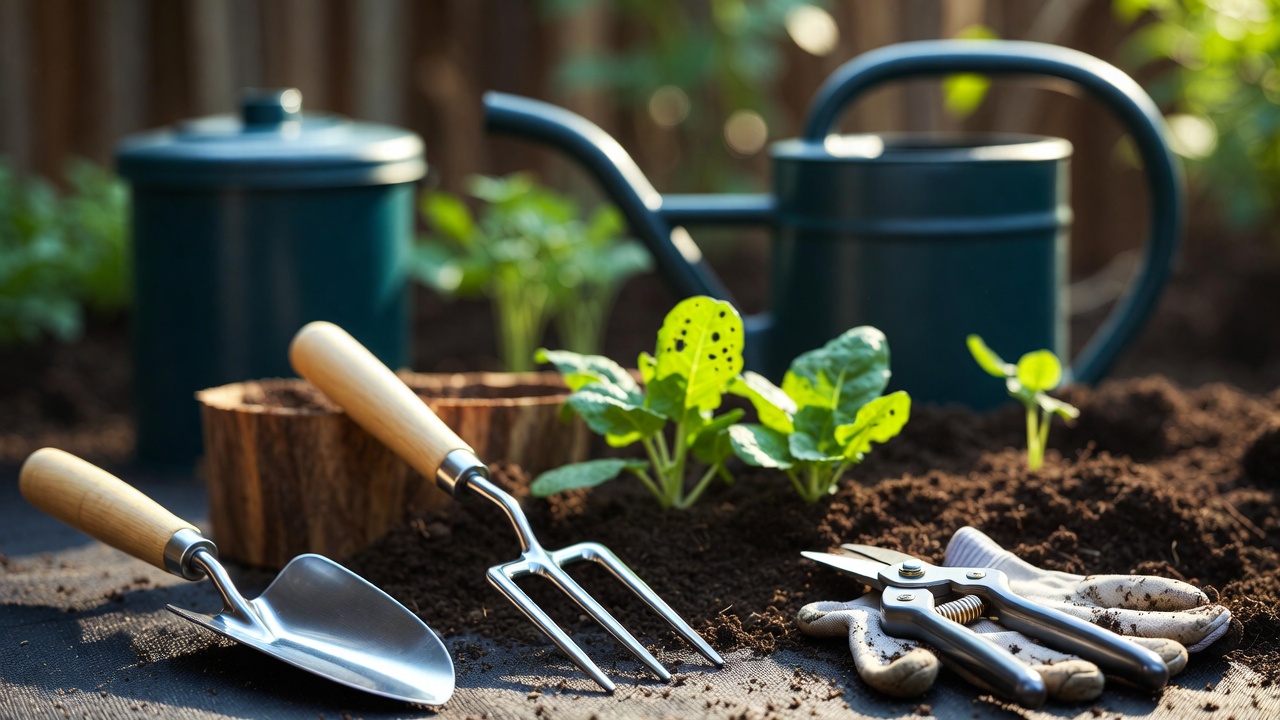
1. Garden Trowel
-
Ideal for planting seeds, seedlings, and small plants.
-
Look for stainless steel for durability and ergonomic handles to reduce hand fatigue.
2. Hand Fork or Cultivator
-
Loosens soil and removes weeds without disturbing plant roots.
-
Helps aerate soil naturally, improving root growth.
3. Pruning Shears / Secateurs
-
Used for trimming herbs, vegetables, and small branches.
-
Sharp, rust-resistant blades prevent damage to plants.
-
Keeps plants healthy and encourages new growth.
4. Garden Gloves
-
Protect hands from thorns, soil, and insects.
-
Durable gloves prevent blisters during long gardening sessions.
-
Look for breathable, eco-friendly materials.
5. Soil Knife or Hori Hori
-
Versatile for digging, cutting roots, and planting.
-
Excellent for removing weeds efficiently in tight spaces.
Step 2: Soil Preparation Tools
1. Garden Hoe
-
Breaks up compacted soil for better drainage.
-
Useful for weeding large areas without chemicals.
2. Spade or Shovel
-
Essential for digging, turning compost, and planting larger plants.
-
Choose lightweight steel with a comfortable handle for long-term use.
3. Garden Rake
-
Smooths soil and removes debris before planting.
-
Helps level raised beds and prepare seedbeds.
4. Soil Testing Kit
-
Measures pH and nutrient levels for optimal plant growth.
-
Organic gardeners can adjust soil naturally with compost or organic amendments.
Step 3: Watering Tools for Organic Gardens
1. Watering Can
-
Ideal for precise watering of seedlings and potted plants.
-
Choose a can with a detachable spout for gentle watering.
2. Hose with Adjustable Nozzle
-
Allows targeted watering and gentle spray for delicate plants.
-
Efficient for larger garden beds while conserving water.
3. Drip Irrigation System
-
Conserves water and reduces disease by keeping foliage dry.
-
Excellent for raised beds, containers, or vegetable rows.
4. Rain Barrel / Water Collection System
-
Collects rainwater for sustainable, chemical-free irrigation.
-
Reduces dependency on tap water and conserves resources.
Step 4: Composting and Soil Enrichment Tools
1. Compost Bin or Tumbler
-
Makes turning kitchen scraps and garden waste into rich compost easier.
-
Helps beginners recycle organic matter naturally.
2. Garden Fork
-
Turns compost and aerates soil naturally.
-
Breaks up dense material for faster decomposition.
3. Mulch Fork / Pitchfork
-
Helps spread mulch or organic matter evenly across beds.
-
Keeps soil moist and suppresses weeds organically.
Step 5: Plant Support Tools
1. Trellises or Stakes
-
Supports climbing vegetables like beans, cucumbers, and tomatoes.
-
Keeps plants off the ground, reducing disease risk.
2. Plant Ties and Clips
-
Soft, flexible ties prevent damage to stems.
-
Eco-friendly materials like jute or cotton are ideal.
3. Cages for Tomatoes and Peppers
-
Provides structural support for heavy fruit-bearing plants.
-
Prevents breakage and improves air circulation.
Step 6: Pest Management Tools
1. Neem Oil or Organic Sprayer
-
Distributes natural pest control solutions efficiently.
-
Prevents over-application of organic solutions.
2. Handheld Bug Catcher or Insect Vacuum
-
Safe removal of harmful insects without harming plants or beneficial insects.
3. Floating Row Covers
-
Protect plants from insect pests while allowing sunlight and water through.
4. Companion Planting Knowledge (Indirect Tool)
-
Using herbs or flowers that repel pests naturally reduces the need for chemicals.
Step 7: Harvesting Tools
1. Harvest Knife or Scissors
-
Sharp blades allow clean cuts of vegetables, fruits, and herbs.
-
Prevents damage to plants and encourages continuous production.
2. Harvest Basket or Tote
-
Collect vegetables and fruits without bruising.
-
Keeps harvest organized and reduces repeated handling.
3. Pruning Saw (for Larger Plants)
-
Useful for woody herbs or small fruit trees in the garden.
Step 8: Eco-Friendly Tool Materials
-
Prefer stainless steel or carbon steel for durability.
-
Handles made of bamboo, recycled wood, or biodegradable materials.
-
Avoid plastic when possible for sustainability.
Step 9: Maintenance of Organic Gardening Tools
-
Clean tools after each use to prevent disease transfer.
-
Sharpen blades regularly for precise cutting.
-
Oil metal parts to prevent rusting.
-
Store in a dry, organized space.
Step 10: Container Gardening Tools
-
Mini trowel and hand fork for pots and raised beds.
-
Self-watering containers or drip systems for water efficiency.
-
Trellises, cages, and clips scaled for small spaces.
Step 11: Tips for Beginner Organic Gardeners
-
Start with essential tools; expand as your garden grows.
-
Focus on ergonomics to prevent strain or injury.
-
Combine tools with knowledge of organic methods like composting and companion planting.
-
Reuse and recycle materials for sustainable gardening.
-
Invest in high-quality tools that last longer and reduce waste.
Step 12: Frequently Asked Questions
Q1: Do I need all these tools to start an organic garden?
-
No, start with basics like a trowel, gloves, watering can, and pruning shears. Expand as your garden grows.
Q2: Can I use regular garden tools for organic gardening?
-
Yes, but eco-friendly and durable tools last longer and avoid chemical contamination.
Q3: Are composting tools necessary for beginners?
-
Not mandatory but highly recommended for enriching soil naturally and reducing waste.
Q4: How often should I maintain my tools?
-
Clean and sharpen regularly; check before and after each growing season.
Q5: Can I use container-friendly tools for larger gardens?
-
Yes, but for larger beds, upgrade to full-size spades, rakes, and watering systems.
Step 13: Final Thoughts
Having the right tools is essential for a successful organic garden, especially for beginners. Key takeaways:
-
Start with hand tools like trowels, forks, pruning shears, and gloves.
-
Invest in soil preparation, watering, and composting tools for healthy growth.
-
Support plants with trellises, cages, and eco-friendly ties.
-
Use organic pest management tools and techniques.
-
Maintain and clean tools regularly for longevity.
By equipping yourself with the right tools and combining them with organic gardening techniques, you’ll make gardening easier, more productive, and environmentally sustainable.