Organic gardening is rewarding, but beginners often make mistakes that can reduce yields, attract pests, or harm soil health. Understanding common pitfalls and their fixes ensures your garden thrives naturally.
This guide covers the most frequent organic gardening mistakes, explains why they happen, and provides actionable solutions for healthier, more productive gardens.
Mistake 1: Poor Soil Preparation
Problem: Planting without enriching soil leads to weak plants and low yields.
Fix:
-
Test soil pH and nutrient levels using a soil kit.
-
Add well-rotted compost or organic matter to improve fertility.
-
Rotate crops annually to maintain soil health.
-
Mulch to retain moisture and prevent weeds.
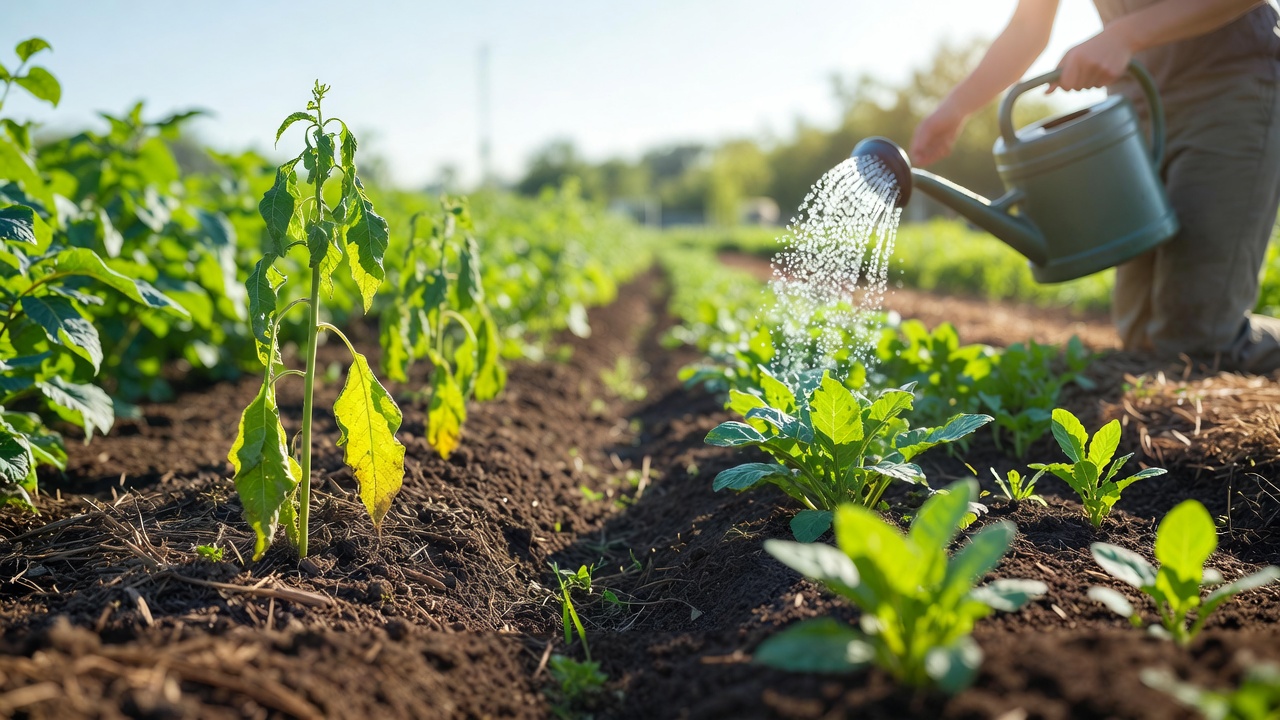
Mistake 2: Overwatering or Underwatering
Problem: Both extremes stress plants and encourage disease.
Fix:
-
Water deeply 2–3 times per week, depending on climate.
-
Water at the base, avoiding wetting foliage to reduce fungal diseases.
-
Mulch to conserve soil moisture.
-
Check soil moisture before watering to prevent overwatering.
Mistake 3: Planting Too Close Together
Problem: Overcrowding reduces airflow, increases disease risk, and competes for nutrients.
Fix:
-
Follow recommended spacing for each crop.
-
Thin seedlings early to prevent overcrowding.
-
Use vertical supports or trellises for climbing plants.
Mistake 4: Ignoring Companion Planting
Problem: Without strategic pairings, plants are more susceptible to pests and low yields.
Fix:
-
Plant basil with tomatoes to repel aphids.
-
Use marigolds to protect vegetables from nematodes.
-
Rotate crops to break pest cycles.
Mistake 5: Using Chemical Fertilizers or Pesticides
Problem: Harms beneficial insects and reduces long-term soil fertility.
Fix:
-
Switch to organic fertilizers: compost, manure, or seaweed extract.
-
Use natural pest control: neem oil, insecticidal soap, or trap crops.
-
Encourage beneficial insects like ladybugs and bees.
Mistake 6: Ignoring Seasonal Planting
Problem: Planting out-of-season crops leads to poor growth or crop failure.
Fix:
-
Check local frost dates and seasonal guidelines.
-
Plant cool-season crops (lettuce, spinach) in early spring or fall.
-
Plant warm-season crops (tomatoes, peppers) after frost risk passes.
Mistake 7: Not Mulching Properly
Problem: Soil dries out, weeds proliferate, and nutrients leach away.
Fix:
-
Apply 2–4 inches of organic mulch: straw, leaves, or compost.
-
Keep mulch a few inches away from plant stems to prevent rot.
-
Mulch replenishment improves moisture retention and soil health.
Mistake 8: Over-Pruning or Under-Pruning
Problem: Improper pruning weakens plants or encourages disease.
Fix:
-
Learn pruning needs for each plant.
-
Remove dead or diseased leaves promptly.
-
Prune for airflow and sunlight penetration, not excessively.
Mistake 9: Not Monitoring for Pests Early
Problem: Infestations grow unchecked, harming plants and reducing yield.
Fix:
-
Inspect leaves and stems regularly.
-
Use natural deterrents: companion plants, neem oil, or handpicking pests.
-
Encourage predatory insects and birds.
Mistake 10: Neglecting Crop Rotation
Problem: Repeatedly planting the same crop in the same spot depletes nutrients and encourages disease.
Fix:
-
Rotate plant families annually.
-
Alternate heavy feeders (tomatoes, peppers) with legumes that enrich soil.
-
Record planting locations for easy rotation planning.
Mistake 11: Poor Pollination
Problem: Low fruit set in crops like cucumbers or tomatoes.
Fix:
-
Attract pollinators with flowers and herbs.
-
Hand-pollinate using a small brush or cotton swab for indoor gardens.
-
Avoid pesticides that harm bees.
Mistake 12: Ignoring Container Gardening Principles
Problem: Plants in pots often underperform due to poor drainage or nutrient depletion.
Fix:
-
Use large enough containers with drainage holes.
-
Use high-quality organic soil mix.
-
Water regularly and feed with compost tea or organic fertilizer.
-
Use trellises for climbing plants.
Mistake 13: Harvesting Mistakes
Problem: Overripe or immature harvest reduces yield and plant productivity.
Fix:
-
Learn proper harvest times for each crop.
-
Harvest frequently to encourage new growth.
-
Use sharp scissors or knives to prevent plant damage.
Mistake 14: Overlooking Soil Microbes
Problem: Ignoring soil life reduces fertility and plant health.
Fix:
-
Add compost and organic amendments regularly.
-
Avoid harsh chemicals that kill microbes.
-
Practice no-till or minimal-till gardening to protect soil structure.
Mistake 15: Poor Record-Keeping
Problem: Without notes, repeating mistakes or tracking successes is difficult.
Fix:
-
Keep a garden journal with planting dates, harvest, pest issues, and amendments.
-
Review notes each season to improve planning and yields.
Step 16: Frequently Asked Questions
Q1: Can beginners avoid all mistakes?
-
Not entirely, but awareness and planning significantly reduce risks.
Q2: Are organic gardens more prone to pests?
-
They may attract more insects, but natural pest control and companion planting balance this.
Q3: How do I fix nutrient-deficient soil organically?
-
Use compost, manure, cover crops, or natural amendments like kelp meal.
Q4: What’s the biggest mistake beginners make?
-
Overwatering and poor soil preparation are the most common errors.
Q5: Can container gardeners apply these fixes too?
-
Yes, container gardening requires the same principles with extra focus on drainage and fertilization.
Step 17: Final Thoughts
Organic gardening is rewarding, but mistakes are natural learning opportunities. Key takeaways:
-
Prepare soil properly and test pH/nutrients.
-
Water appropriately and mulch to retain moisture.
-
Use companion planting, crop rotation, and organic pest control.
-
Prune, monitor, and harvest regularly.
-
Keep records and plan for seasonal planting.
By avoiding common mistakes and applying these fixes, gardeners can grow healthy, chemical-free gardens with higher yields, stronger plants, and sustainable practices.