Gardening can consume a lot of water, but with smart water-saving strategies, you can maintain a thriving garden while conserving resources. These tips help gardeners save water, improve soil health, and keep plants healthy without constant irrigation.
This guide covers practical water-saving gardening tips, including techniques for soil, watering schedules, plant selection, mulching, and eco-friendly irrigation methods.
Step 1: Understanding Water Efficiency in Gardening
- Efficient water use reduces stress on plants and lowers utility bills.
- Improves soil health by promoting deep root growth.
- Protects the environment by conserving freshwater resources.
Key Principles:
- Water deeply but infrequently.
- Reduce evaporation and runoff.
- Choose drought-tolerant plants.
Step 2: Choose Water-Efficient Plants
1. Native Plants
- Adapted to local climate, require minimal watering.
- Often resistant to pests and diseases.
2. Succulents and Cacti
- Store water in leaves and stems.
- Perfect for sunny, dry locations.
3. Drought-Tolerant Perennials
- Lavender, sage, and lantana require less frequent watering.
- Provide continuous blooms and attract pollinators.
4. Mulched Flower Beds
- Reduces water needs by keeping soil moist.
- Combine with native and drought-tolerant plants for maximum efficiency.
Step 3: Improve Soil to Retain Water
- Add organic matter: Compost, mulch, and leaf litter increase water-holding capacity.
- Aerate soil: Prevents compaction and improves infiltration.
- Use raised beds or containers with high-quality soil: Prevents water loss and runoff.
Step 4: Mulching Techniques
- Apply 2–4 inches of organic mulch (straw, leaves, wood chips).
- Benefits:
- Reduces evaporation.
- Suppresses weeds that compete for water.
- Moderates soil temperature.
- Keep mulch a few inches away from plant stems to prevent rot.
Step 5: Watering Methods
1. Deep Watering
- Water at the base of plants, allowing roots to grow deeper.
- Less frequent watering encourages drought-resistant root systems.
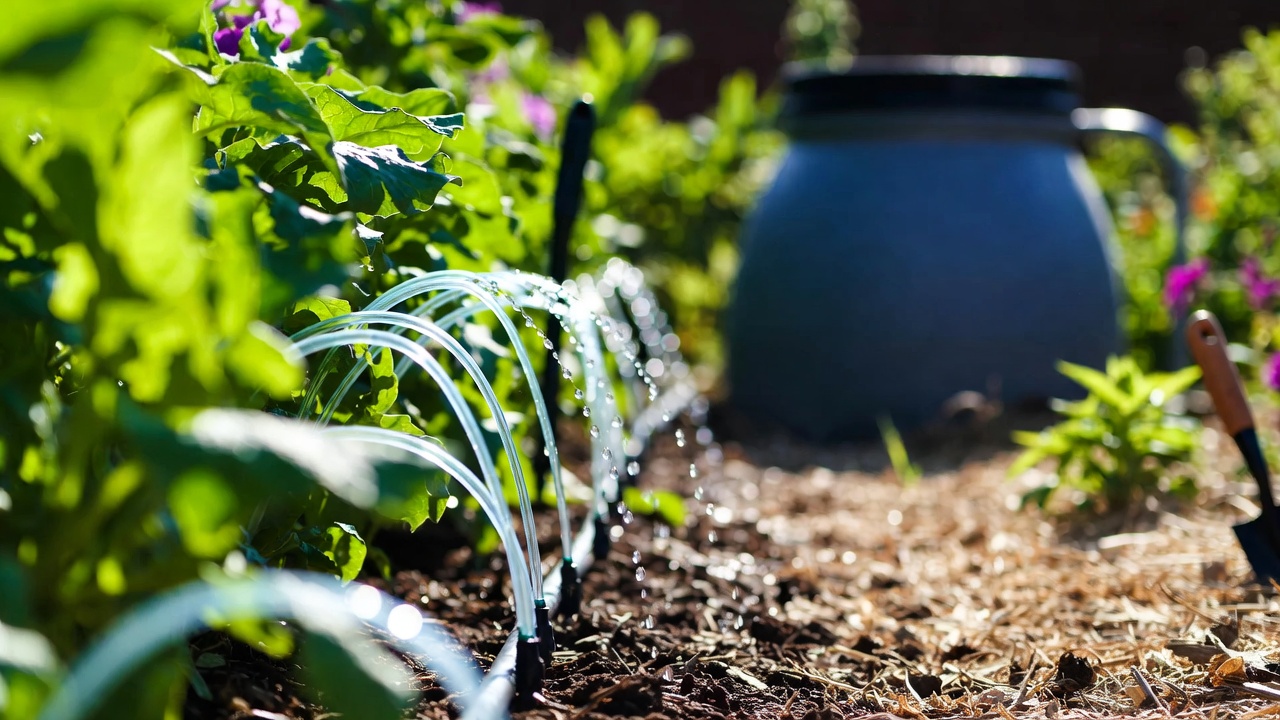
2. Drip Irrigation
- Delivers water directly to the root zone.
- Reduces evaporation and runoff.
- Efficient for row crops, container plants, and raised beds.
3. Soaker Hoses
- Low-pressure hoses release water along the entire length.
- Ideal for garden beds and borders.
4. Morning Watering
- Water early to minimize evaporation.
- Reduces fungal diseases caused by wet leaves overnight.
Step 6: Rainwater Harvesting
- Collect rainwater in barrels or tanks for irrigation.
- Benefits:
- Reduces reliance on municipal water.
- Naturally soft water is better for plants.
- Connect to drip irrigation or watering cans for efficient use.
Step 7: Container Gardening Tips for Water Efficiency
- Use self-watering containers or pots with reservoirs.
- Choose lightweight, water-retaining soil mixes.
- Group plants with similar water needs together.
- Place containers in partial shade to reduce evaporation.
Step 8: Companion Planting and Plant Grouping
- Group plants with similar water needs to prevent overwatering some areas.
- Companion planting helps retain moisture and improves microclimates.
- Shade-tolerant plants under larger plants reduce water loss from soil.
Step 9: Smart Irrigation Scheduling
- Avoid daily watering unless necessary.
- Use a soil moisture meter to water only when soil is dry.
- Apply water in small amounts to reduce runoff.
- Adjust irrigation according to seasonal rainfall and plant growth stages.
Step 10: Reduce Water Waste in Lawns
- Replace some grass areas with drought-tolerant groundcovers.
- Use native grasses that require less water.
- Mow higher to shade roots and reduce evaporation.
Step 11: Eco-Friendly Practices for Water Conservation
- Capture gray water from sinks or showers for irrigation (non-toxic soaps only).
- Avoid chemical fertilizers that increase water runoff and pollution.
- Plant windbreaks to reduce evaporation from soil.
- Apply compost tea or organic mulch to improve water retention naturally.
Step 12: Vertical and Balcony Gardening
- Vertical gardens reduce water usage as soil dries more slowly in containers.
- Use drip systems or self-watering vertical planters.
- Grouping pots together reduces evaporation and creates humidity microclimates.
Step 13: Seasonal Water-Saving Tips
- Spring: Mulch and plant drought-tolerant seedlings.
- Summer: Use drip irrigation, shade cloths, and deep watering.
- Autumn: Collect fallen leaves for mulch.
- Winter: Reduce watering; protect soil from freezing and erosion.
Step 14: Monitor and Adjust
- Track water usage and plant response.
- Adjust irrigation frequency and methods based on soil moisture, plant type, and weather conditions.
- Replace underperforming or water-thirsty plants with more efficient varieties.
Step 15: Frequently Asked Questions
Q1: How often should I water my garden to save water?
- Deeply but less frequently; check soil moisture before watering.
Q2: Are drip irrigation systems worth the investment?
- Yes, they significantly reduce water use and improve plant health.
Q3: Can mulch alone reduce watering needs?
- Yes, combined with soil improvement, mulch can drastically reduce water consumption.
Q4: Which plants are best for water-saving gardens?
- Native plants, succulents, drought-tolerant perennials, and herbs like sage and lavender.
Q5: Can I use rainwater for all garden types?
- Yes, safe for vegetables, flowers, and lawns; avoid gray water with harsh chemicals.
Step 16: Final Thoughts
Water-saving gardening combines smart plant selection, efficient irrigation, soil management, and sustainable practices:
- Improve soil and mulch beds to retain moisture.
- Choose drought-tolerant plants and group by water needs.
- Use drip irrigation, soaker hoses, and rainwater collection.
- Water deeply and infrequently to develop strong roots.
- Monitor, adjust, and plan seasonal strategies.
By applying these strategies, gardeners can grow healthy, thriving gardens while conserving water and protecting the environment.