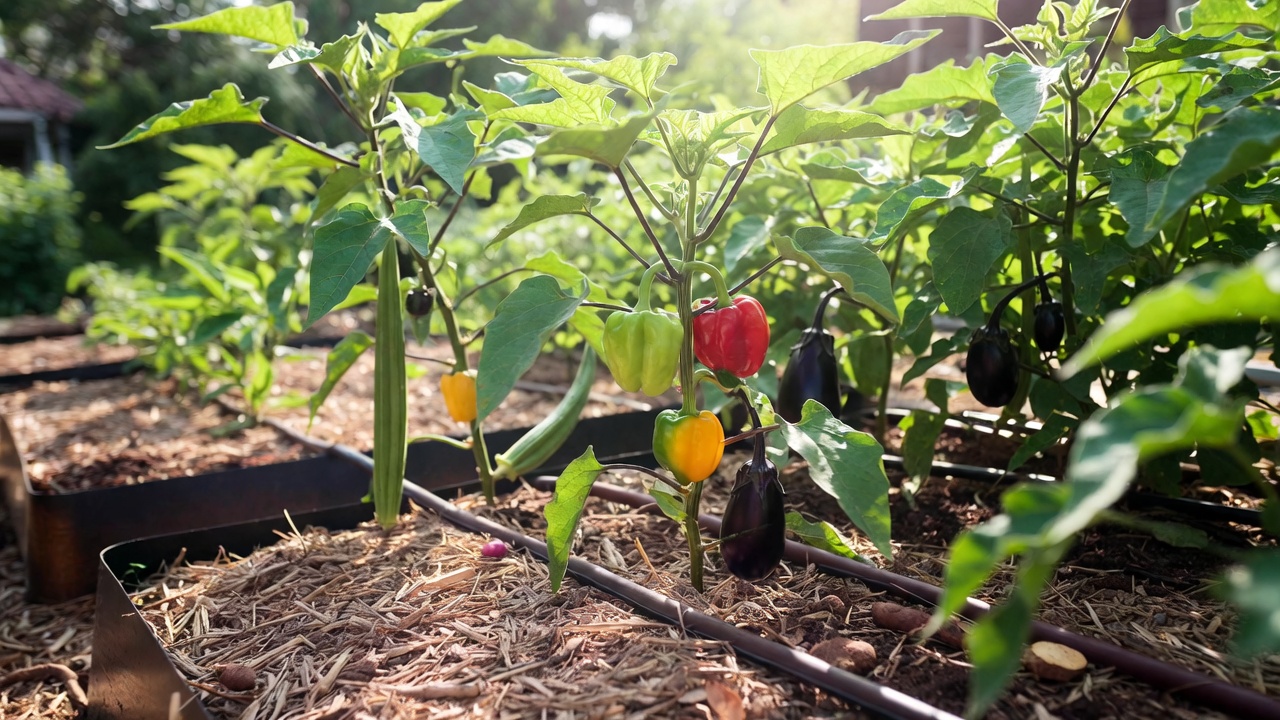
Summer heat can stress plants, reduce yields, and make gardening challenging. Choosing heat-tolerant vegetables ensures your garden continues producing fresh, healthy crops even during the hottest months.
This guide covers the best vegetables for summer, planting and care tips, watering strategies, and soil preparation to help gardeners grow abundant heat-resistant crops.
Step 1: Why Heat-Tolerant Vegetables Matter
-
Protects plants from heat stress and sunburn.
-
Extends growing season in hot climates.
-
Reduces water and maintenance requirements.
-
Ensures steady harvests during peak summer.
Step 2: Key Characteristics of Heat-Tolerant Vegetables
-
Deep root systems for accessing moisture.
-
Leaves adapted to reduce water loss.
-
Tolerant of high soil and air temperatures.
-
Resistant to bolting (premature flowering) in heat.
Step 3: Top Heat-Tolerant Vegetables
1. Okra
-
Thrives in high heat and full sun.
-
Requires minimal water once established.
-
Harvest young pods regularly for best flavor.
2. Sweet Potatoes
-
Heat- and drought-tolerant root crop.
-
Need well-drained, fertile soil.
-
Mulch to retain moisture and prevent weeds.
3. Eggplant (Aubergine)
-
Performs well in hot climates with full sun.
-
Use stakes for larger varieties.
-
Mulch and water consistently for optimal fruiting.
4. Peppers (Bell and Hot)
-
Tolerate high temperatures but avoid soggy soil.
-
Fertilize lightly to maintain healthy fruit production.
-
Mulch to retain moisture and reduce heat stress.
5. Cowpeas / Black-Eyed Peas
-
Legumes that thrive in heat and fix nitrogen in soil.
-
Drought-tolerant, low-maintenance crop.
-
Excellent for improving soil fertility.
6. Amaranth Leaves
-
Heat-tolerant leafy green for summer salads and cooking.
-
Minimal watering needed once established.
7. Malabar Spinach
-
Climbing vine with succulent leaves.
-
Performs exceptionally in hot, humid climates.
8. Yardlong Beans
-
Ideal for summer trellising.
-
Heat-tolerant and prolific, requiring minimal maintenance.
Step 4: Planting Tips for Hot Weather
-
Plant in morning or evening to reduce transplant shock.
-
Space plants adequately for airflow to prevent disease.
-
Use raised beds or containers for better drainage.
-
Apply organic compost to improve soil fertility and water retention.
Step 5: Watering Strategies for Summer
-
Water deeply but less frequently to encourage deep root growth.
-
Use drip irrigation or soaker hoses to target roots and reduce evaporation.
-
Mulch around plants to retain soil moisture.
-
Monitor for wilting and adjust watering as needed.
Step 6: Soil Preparation for Heat-Resistant Crops
-
Use well-draining soil enriched with compost.
-
Add organic matter to improve water retention.
-
Avoid compacted soil that stresses roots in high temperatures.
Step 7: Mulching and Shade Techniques
-
Mulch with straw, leaves, or grass clippings to reduce soil temperature.
-
Use shade cloth during extreme heat waves for sensitive crops.
-
Maintain mulch depth of 2–4 inches, keeping it away from plant stems.
Step 8: Companion Planting for Summer Gardens
-
Plant basil with tomatoes to repel pests.
-
Use marigolds to deter nematodes in peppers and eggplants.
-
Mix leafy greens with heat-tolerant legumes to improve soil and maintain moisture.
Step 9: Pest and Disease Management in Hot Weather
-
Hot weather can reduce some pests but may encourage spider mites and aphids.
-
Inspect plants regularly and use organic pest control: neem oil, insecticidal soap, or handpicking.
-
Maintain airflow to reduce fungal issues.
Step 10: Harvesting Tips
-
Harvest early morning when vegetables are firm and hydrated.
-
Regular harvesting encourages continuous production.
-
Store harvested vegetables in shaded, cool areas to prevent spoilage.
Step 11: Container Gardening for Hot Climates
-
Use self-watering containers to maintain consistent soil moisture.
-
Select compact or dwarf varieties suited for pots.
-
Position containers in spots with morning sun and afternoon shade if temperatures are extreme.
Step 12: Seasonal Planning and Succession Planting
-
Plant fast-growing summer crops in succession to maintain harvest.
-
Rotate crops to prevent soil depletion and disease buildup.
-
Combine heat-tolerant vegetables with partial-shade crops to optimize space.
Step 13: Frequently Asked Questions
Q1: Can all vegetables survive summer heat?
-
No, choose heat-tolerant varieties to avoid stress and reduced yield.
Q2: How can I protect plants from extreme heat?
-
Use shade cloths, mulch, and deep watering strategies.
Q3: Are heat-tolerant vegetables drought-resistant?
-
Many are moderately drought-tolerant but still need consistent deep watering.
Q4: Can leafy greens survive hot summers?
-
Some like Malabar spinach and amaranth thrive, while others may bolt quickly.
Q5: Should I fertilize during hot weather?
-
Light, organic fertilization supports growth without stressing plants.
Step 14: Final Thoughts
Growing heat-tolerant vegetables in summer ensures a productive garden even during the hottest months. Key strategies include:
-
Choosing crops adapted to heat and drought.
-
Preparing soil with compost and mulch to retain moisture.
-
Using deep watering, drip irrigation, and container gardening techniques.
-
Monitoring for pests and protecting sensitive plants with shade.
By following these practices, gardeners can enjoy a thriving, abundant summer harvest while reducing stress on plants and conserving water.