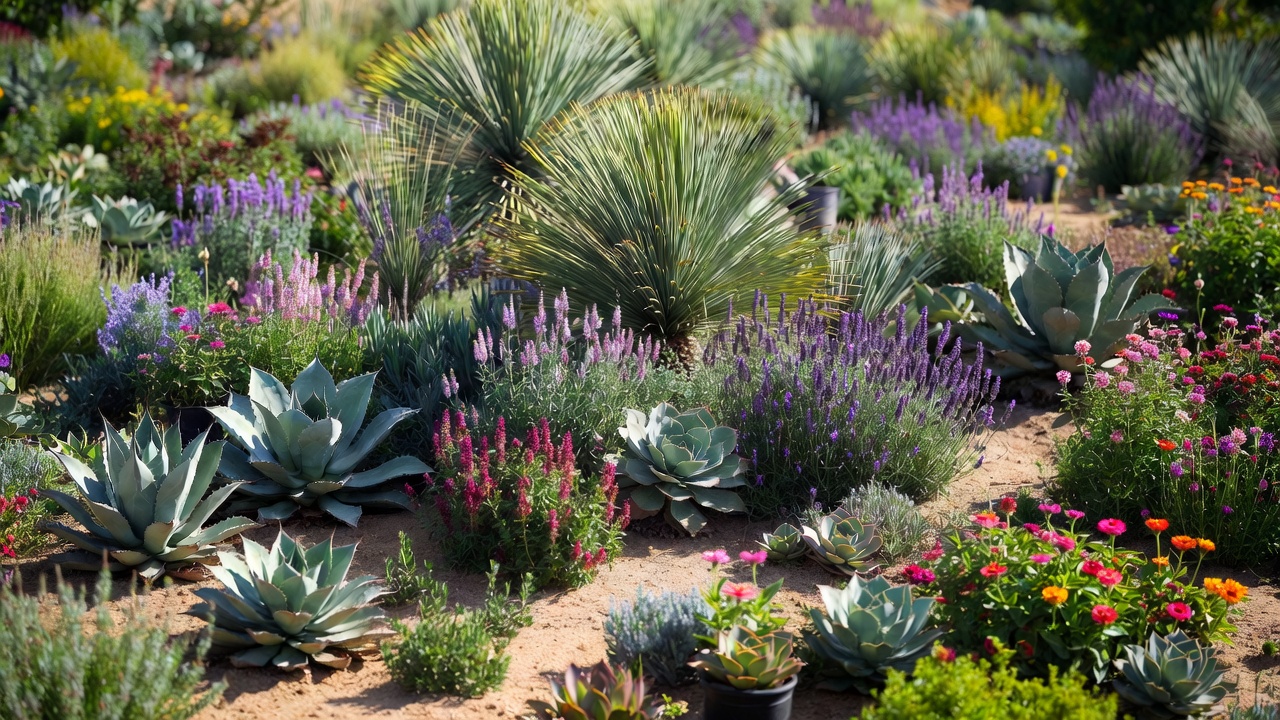
Gardening in hot, dry climates can be challenging, but drought-tolerant plants make it possible to maintain a beautiful garden with minimal water and effort. If you live in areas prone to heatwaves or have limited water access, choosing the right plants is critical for survival, sustainability, and aesthetic appeal.
This guide covers 20 drought-tolerant plants suitable for extreme heat, including care tips, soil preferences, and why each thrives in low-water conditions. Perfect for beginners, balcony gardeners, or anyone aiming for a sustainable, low-maintenance garden.
Why Choose Drought-Tolerant Plants?
- Water Conservation
Reduces the need for frequent irrigation. - Low Maintenance
Requires less attention than high-water plants. - Adaptable to Extreme Temperatures
Survive heatwaves, poor soil, and full sun. - Aesthetic Variety
Many produce vibrant flowers, lush foliage, or interesting textures. - Sustainability
Supports eco-friendly landscaping and reduces water bills.
How to Grow Drought-Tolerant Plants Successfully
1. Soil Preparation
- Use well-draining soil to prevent root rot.
- Add organic matter sparingly; avoid over-fertilizing.
2. Mulching
- Apply 2–3 inches of mulch to retain moisture.
- Organic mulch like straw, bark, or gravel works well.
3. Correct Watering
- Water deeply but infrequently.
- Establish young plants with regular watering until roots develop.
4. Sunlight Requirements
- Most drought-tolerant plants prefer full sun (6–8 hours).
- Partial shade varieties exist for extreme climates.
5. Container vs Ground Planting
- Many survive well in containers, raised beds, or ground planting.
- Containers dry out faster; water accordingly.
20 Drought-Tolerant Plants That Survive Extreme Heat
1. Lavender (Lavandula angustifolia)
- Aromatic, purple flowers
- Full sun, well-draining soil
- Low water needs once established
- Attracts pollinators
2. Rosemary (Rosmarinus officinalis)
- Evergreen shrub with aromatic leaves
- Thrives in hot, sunny locations
- Great for culinary use and hedges
- Requires minimal watering
3. Agave (Agave spp.)
- Succulent with striking architectural form
- Extremely low water requirements
- Survives poor soil and full sun
- Great for xeriscaping
4. Yucca (Yucca filamentosa)
- Sword-shaped leaves with white flowers
- Thrives in extreme heat and poor soil
- Requires very little maintenance
- Ideal for desert-style gardens
5. Sedum (Sedum spp.)
- Low-growing succulent groundcover
- Tolerates drought and heat
- Perfect for rock gardens or containers
- Requires minimal watering
6. Bougainvillea (Bougainvillea glabra)
- Vibrant flowering vine
- Thrives in hot climates
- Needs little water once established
- Can climb walls, fences, or trellises
7. Oleander (Nerium oleander)
- Evergreen shrub with colorful flowers
- Extremely drought-tolerant
- Full sun exposure preferred
- Great for hedges and privacy screens
8. Russian Sage (Perovskia atriplicifolia)
- Silvery foliage with purple blooms
- Thrives in heat and poor soil
- Low water needs
- Adds texture to xeriscape gardens
9. Lantana (Lantana camara)
- Heat-tolerant flowering shrub
- Attracts butterflies and hummingbirds
- Very low maintenance
- Perfect for sunny borders and containers
10. Echeveria (Echeveria spp.)
- Rosette-forming succulent
- Excellent for pots and rock gardens
- Minimal watering required
- Survives extreme heat and direct sun
11. Texas Sage (Leucophyllum frutescens)
- Gray-green foliage with purple flowers
- Extremely drought-resistant
- Prefers full sun and well-drained soil
- Requires almost no care
12. Portulaca (Portulaca grandiflora)
- Colorful, low-growing flowers
- Thrives in sandy soil and full sun
- Very drought-tolerant
- Great for groundcover or container planting
13. Verbena (Verbena spp.)
- Vibrant trailing flowers
- Survives heat, full sun, and poor soil
- Perfect for hanging baskets or groundcover
- Minimal maintenance required
14. Sage (Salvia officinalis)
- Culinary and ornamental
- Heat-tolerant, aromatic foliage
- Requires well-drained soil
- Attracts pollinators like bees and butterflies
15. Ice Plant (Delosperma spp.)
- Succulent groundcover
- Bright, daisy-like flowers
- Tolerates extreme heat and drought
- Ideal for rock gardens
16. Cacti (Cactaceae family)
- Iconic desert plants
- Thrive in full sun, minimal water
- Many ornamental varieties for containers
- Extremely low-maintenance
17. Zinnia (Zinnia elegans)
- Bright, summer-flowering annuals
- Heat and drought-tolerant once established
- Attracts pollinators
- Great for colorful borders or containers
18. Gaillardia (Blanket Flower)
- Red and yellow daisy-like flowers
- Survives extreme heat and dry soil
- Long-blooming annual/perennial
- Perfect for sunny flower beds
19. Euphorbia (Euphorbia spp.)
- Hardy, architectural plant
- Drought-resistant
- Unique foliage and flowers
- Minimal water and soil requirements
20. Verbascum (Mullein)
- Tall spikes with yellow flowers
- Thrives in poor, dry soil
- Full sun tolerant
- Adds vertical interest to hot gardens
How to Combine Drought-Tolerant Plants for Maximum Impact
- Layer Heights
- Tall: Yucca, Russian Sage, Mullein
- Medium: Rosemary, Lantana, Sage
- Low: Sedum, Ice Plant, Portulaca
- Texture Variety
- Mix succulents with flowering shrubs
- Silvery foliage contrasts green leaves
- Pollinator-Friendly
- Include Lavender, Lantana, Zinnia, Verbena
- Container & Ground Mix
- Use pots for Agave and Echeveria
- Plant others in garden beds
Soil and Fertilization Tips for Extreme Heat
- Use sandy, well-draining soil.
- Add small amounts of organic compost once or twice per season.
- Avoid overwatering or nitrogen-heavy fertilizers, which stress drought-tolerant plants.
Watering Schedule
- Newly planted: water lightly for first 2–3 weeks.
- Established plants: water deeply once every 2–3 weeks.
- Mulching reduces water needs by 30–50%.
Common Mistakes to Avoid
- Overwatering drought-tolerant plants
- Planting in poorly drained soil
- Ignoring sun exposure
- Overcrowding plants
- Choosing non-heat-tolerant varieties by mistake
Landscaping Ideas with Drought-Tolerant Plants
- Rock Gardens: Sedum, Ice Plant, Agave
- Xeriscape Borders: Texas Sage, Russian Sage, Lantana
- Container Gardens: Echeveria, Cacti, Portulaca
- Pollinator Gardens: Lavender, Zinnia, Verbena
Benefits of Growing Drought-Tolerant Plants
- Reduced water bills
- Low-maintenance gardens
- Eco-friendly landscaping
- Supports biodiversity (pollinators & birds)
- Thrives during heatwaves
Seasonal Considerations
- Summer: All listed plants thrive
- Winter (mild climates): Rosemary, Russian Sage, Agave
- Annuals like Zinnia and Verbena may require replanting each year
Frequently Asked Questions
Q1: Can drought-tolerant plants survive in containers?
Yes, but ensure drainage and do not overwater.
Q2: How often should I water these plants?
Deeply every 2–3 weeks once established.
Q3: Do these plants need fertilizer?
Occasional organic compost is sufficient; avoid over-fertilizing.
Q4: Which are the easiest plants for beginners?
Sedum, Portulaca, Zinnia, Agave, and Ice Plant are beginner-friendly.
Conclusion
Creating a low-maintenance, drought-tolerant garden is possible even in extreme heat. Choosing the right plants, preparing soil correctly, and understanding watering needs will give you a beautiful, sustainable, and eco-friendly garden.
Start small, mix textures and heights, and gradually expand your garden. You’ll enjoy vibrant greenery, flowers, and succulents year-round without worrying about water shortages.