Composting is one of the easiest and most effective ways to improve soil health and grow healthier plants. If you want a sustainable garden, learning how to make compost at home for organic gardening is essential.
Compost transforms everyday kitchen scraps and yard waste into nutrient-rich organic fertilizer. Instead of throwing organic waste in the trash, composting allows you to recycle it into a valuable soil amendment that boosts plant growth naturally.
This guide explains what compost is, why it matters, and how to make it step by step at home.
What Is Compost?
Compost is decomposed organic matter created from materials such as:
- Fruit and vegetable scraps
- Coffee grounds
- Dry leaves
- Grass clippings
- Food waste
- Garden trimmings
Microorganisms like bacteria and fungi break these materials down over time to form a dark, crumbly substance called humus, which enriches soil.
Why Composting Is Important for Organic Gardening
Composting is a key principle of organic gardening because it improves soil naturally without chemical fertilizers.
Major Benefits
1. Improves Soil Structure
Compost helps soil retain moisture and improves drainage.
2. Adds Essential Nutrients
Plants receive nutrients such as nitrogen, phosphorus, and potassium.
3. Reduces Household Waste
Food scraps and garden waste make up a large portion of household garbage.
4. Supports Beneficial Microorganisms
Healthy soil contains microbes that help plants absorb nutrients.
5. Reduces Need for Chemical Fertilizers
Compost provides a natural nutrient source.
Types of Composting Methods at Home
There are several ways to make compost depending on your space and lifestyle.
1. Backyard Composting
This is the most traditional composting method.
How It Works
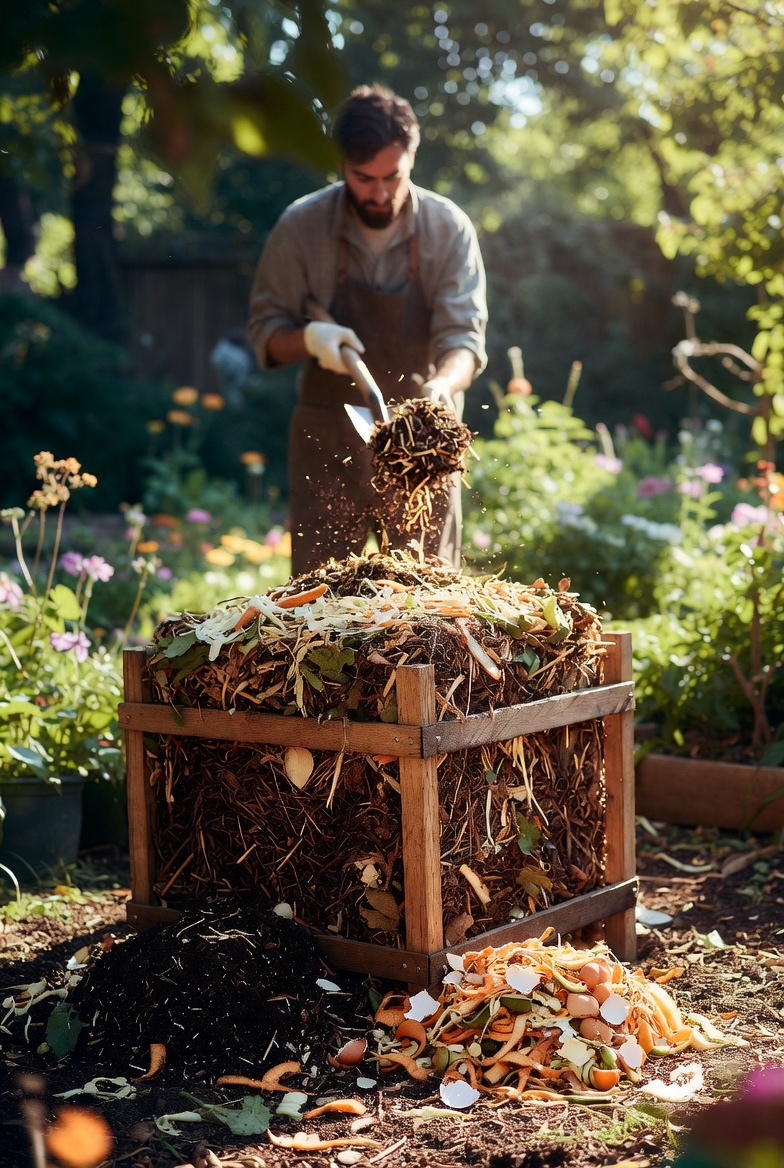
Organic waste is placed in a compost pile or bin in the backyard. Over time, microorganisms break it down.
Best For
- Homes with gardens
- People who produce yard waste
- Gardeners who want large amounts of compost
2. Compost Bin Method
A compost bin keeps organic waste contained and organized.
Benefits
- Reduces odor
- Keeps pests away
- Speeds up decomposition
Types of Compost Bins
- Plastic compost bins
- Wooden compost bins
- Tumbling compost bins
3. Indoor Composting
Apartment dwellers can still compost indoors.
Common Indoor Methods
- Countertop compost bins
- Vermicomposting (worm composting)
- Bokashi fermentation
These methods allow composting even in small living spaces.
4. Vermicomposting (Worm Composting)
Vermicomposting uses earthworms to break down organic waste.
Best Worms for Composting
- Red wigglers
- Eisenia fetida worms
Advantages
- Faster decomposition
- Produces high-quality compost
- Suitable for indoor environments
Materials Needed to Make Compost at Home
Successful compost requires the right mix of materials.
Green Materials (Nitrogen Rich)
These materials provide nitrogen.
Examples:
- Vegetable scraps
- Fruit peels
- Coffee grounds
- Tea bags
- Grass clippings
- Fresh plant trimmings
Brown Materials (Carbon Rich)
These materials provide carbon.
Examples:
- Dry leaves
- Cardboard
- Paper
- Sawdust
- Straw
- Wood chips
Water and Oxygen
Microorganisms need:
- Moisture
- Air circulation
Turning compost helps provide oxygen.
What You Should NOT Compost
Some materials should be avoided because they cause odor or attract pests.
Avoid Composting
- Meat scraps
- Dairy products
- Oily foods
- Pet waste
- Diseased plants
- Treated wood
These items can disrupt the composting process.
Step-by-Step Guide: How to Make Compost at Home
Follow this simple process to create nutrient-rich compost.
Step 1: Choose a Compost Location
Pick a location that is:
- Well-drained
- Partially shaded
- Easy to access
Outdoor compost piles should sit directly on soil to allow microbes and worms to enter.
Step 2: Select a Compost Container
You can use:
- Compost bins
- Wooden boxes
- Plastic containers
- DIY compost piles
Containers help control moisture and pests.
Step 3: Add Brown Materials First
Start with a base layer of carbon-rich materials.
Examples:
- Dry leaves
- Straw
- Shredded paper
This layer improves airflow.
Step 4: Add Green Materials
Add kitchen scraps such as:
- Fruit peels
- Vegetable waste
- Coffee grounds
Alternate green and brown layers.
Step 5: Maintain the Right Ratio
The ideal compost ratio is:
3 parts brown materials to 1 part green materials
This balance helps microbes break down waste efficiently.
Step 6: Add Moisture
Compost should feel like a damp sponge.
Too dry → decomposition slows.
Too wet → unpleasant odors appear.
Step 7: Turn the Compost
Turning compost helps introduce oxygen.
Turn the pile:
- Once every 1–2 weeks
- Using a shovel or compost aerator
Aeration speeds up decomposition.
Step 8: Wait for Decomposition
Depending on conditions, compost can take:
- 2–3 months (fast composting)
- 6–12 months (slow composting)
Finished compost becomes dark and earthy.
Signs Your Compost Is Ready
Finished compost has several characteristics.
Look for These Signs
- Dark brown color
- Crumbly texture
- Earthy smell
- No recognizable food scraps
At this stage, compost is safe to use in the garden.
How to Use Compost in Organic Gardening
Compost can be used in several ways to improve plant growth.
1. Soil Amendment
Mix compost into garden soil before planting.
Benefits:
- Improves fertility
- Enhances soil structure
2. Mulch
Spread compost on top of soil.
This helps:
- Retain moisture
- Suppress weeds
3. Potting Mix
Mix compost with potting soil.
This creates nutrient-rich growing medium for:
- Vegetables
- Herbs
- Indoor plants
4. Compost Tea
Compost tea is liquid fertilizer made by soaking compost in water.
Plants absorb nutrients quickly through this method.
Common Composting Problems and Solutions
Even beginners can encounter composting issues.
Bad Odor
Cause
Too much green material.
Solution
Add more brown materials like dry leaves or cardboard.
Compost Too Dry
Cause
Lack of moisture.
Solution
Add water and mix thoroughly.
Compost Attracting Pests
Cause
Food scraps such as meat or dairy.
Solution
Avoid composting these items and keep bins sealed.
Compost Not Decomposing
Cause
Poor material balance.
Solution
Maintain the 3:1 carbon-to-nitrogen ratio.
Tips to Speed Up Composting
If you want faster compost production, follow these tips.
Chop Materials
Smaller pieces break down faster.
Turn Compost Frequently
Aeration increases microbial activity.
Maintain Proper Moisture
Keep compost slightly moist.
Add Compost Activators
Natural activators include:
- Grass clippings
- Manure
- Finished compost
Composting for Small Spaces
Even if you live in an apartment, you can still compost.
Small Space Composting Ideas
- Countertop compost bins
- Worm compost bins
- Balcony compost containers
These options make composting accessible for urban gardeners.
Environmental Benefits of Composting
Composting is not only beneficial for gardening but also for the planet.
Key Environmental Benefits
Reduces Landfill Waste
Organic waste in landfills produces methane gas.
Supports Sustainable Agriculture
Compost replaces chemical fertilizers.
Improves Soil Carbon Storage
Healthy soil stores carbon and improves climate resilience.
Composting Mistakes Beginners Should Avoid
Avoid these common mistakes to ensure successful composting.
Using Too Many Food Scraps
Balance with dry materials.
Ignoring Moisture Levels
Dry compost slows microbial activity.
Not Turning the Compost
Lack of oxygen stops decomposition.
Adding Diseased Plants
This can spread pathogens.
Final Thoughts
Learning how to make compost at home for organic gardening is one of the most valuable skills for sustainable living. Composting turns everyday organic waste into nutrient-rich soil that supports healthier plants and stronger ecosystems.
By combining kitchen scraps, yard waste, and the right balance of carbon and nitrogen materials, you can create high-quality compost with minimal effort.
Whether you have a large backyard or a small apartment balcony, composting is accessible, affordable, and environmentally responsible. Start composting today and transform waste into a powerful resource for your organic garden.