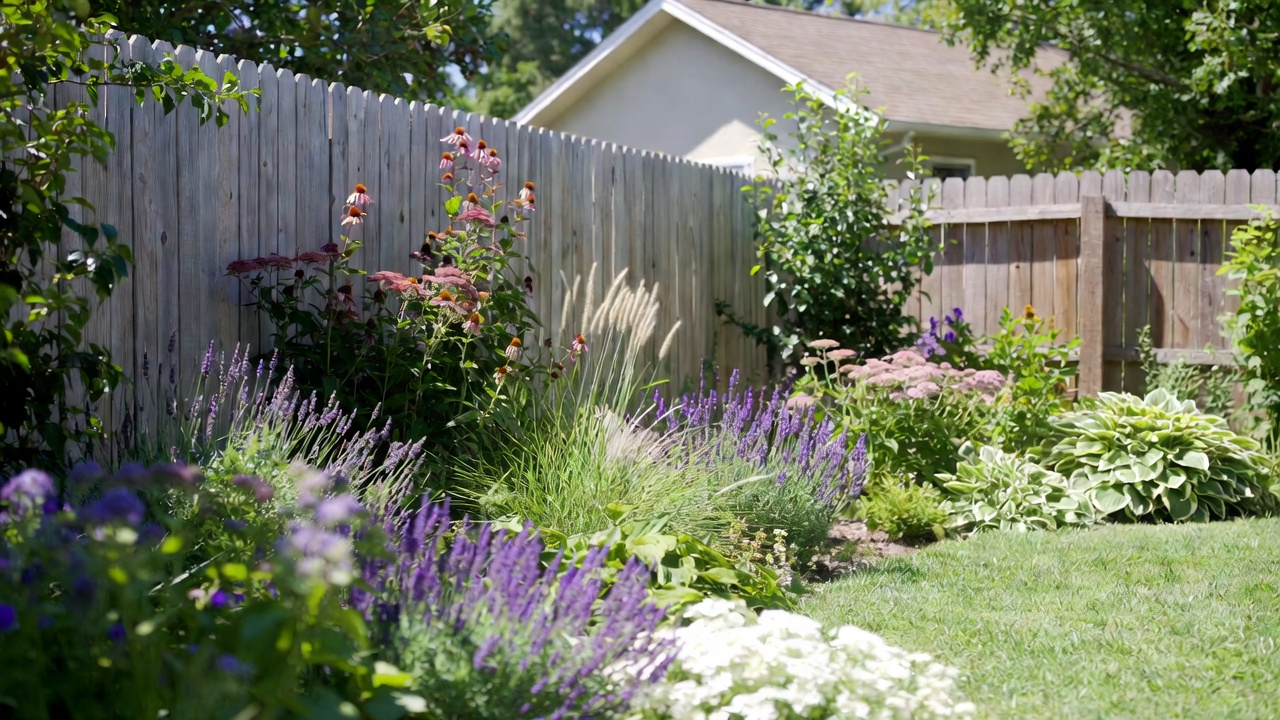
Many homeowners want a beautiful yard or garden but simply do not have the time for constant maintenance. Work schedules, family responsibilities, and daily life can make regular watering, pruning, and fertilizing difficult. The good news is that many outdoor plants are naturally low maintenance and can thrive with minimal care.
Choosing the right low-maintenance outdoor plants allows homeowners to enjoy greenery, flowers, and landscaping beauty without spending hours each week maintaining their garden.
This guide explains the best outdoor plants that require minimal care, why they are easy to grow, and how to choose the right plants for your yard.
What Makes a Plant Low-Maintenance?
Not all plants require constant attention. Low-maintenance plants share several important characteristics.
1. Drought Tolerance
These plants can survive long periods without watering.
2. Pest Resistance
They naturally resist insects and plant diseases.
3. Slow Growth
They do not require frequent pruning or trimming.
4. Adaptability
They grow well in different soil types and weather conditions.
5. Minimal Fertilizer Needs
They can grow successfully without regular feeding.
Choosing plants with these traits makes landscaping much easier for busy homeowners.
Benefits of Low-Maintenance Outdoor Plants
Low-maintenance landscaping provides several advantages.
Saves Time
Busy homeowners can maintain a beautiful yard without constant work.
Reduces Water Usage
Many low-maintenance plants are drought-resistant, which lowers water bills.
Lower Gardening Costs
Less fertilizer, fewer pesticides, and less maintenance equipment are required.
Environmentally Friendly
Plants that require fewer chemicals and less water are better for the environment.
Stress-Free Gardening
You can enjoy a green outdoor space without feeling overwhelmed by gardening tasks.
Best Low-Maintenance Outdoor Plants
The following plants are among the easiest outdoor plants to grow, making them perfect for busy homeowners.
1. Lavender
Lavender is one of the most popular low-maintenance garden plants.
Why It’s Easy to Grow
- Highly drought tolerant
- Naturally pest resistant
- Requires little fertilizer
- Thrives in poor soil
Care Requirements
- Full sunlight
- Well-drained soil
- Occasional pruning
Lavender also produces fragrant purple flowers and attracts beneficial pollinators such as bees and butterflies.
2. Snake Plant (Outdoor in Warm Climates)
Snake plants are widely known as indoor plants, but they can also grow outdoors in warm climates.
Benefits
- Extremely drought tolerant
- Survives poor soil
- Requires minimal watering
Best Conditions
- Partial shade to full sun
- Warm climates
Snake plants are ideal for modern minimalist landscaping.
3. Sedum (Stonecrop)
Sedum is a succulent plant that thrives in difficult conditions.
Why Sedum Is Low Maintenance
- Stores water in leaves
- Thrives in dry soil
- Rarely affected by pests
Ideal Uses
- Rock gardens
- Borders
- Ground cover
Sedum varieties also produce beautiful star-shaped flowers during the growing season.
4. Hostas
Hostas are extremely popular shade garden plants.
Advantages
- Thrives in shaded areas
- Requires little pruning
- Long lifespan
Care Needs
- Occasional watering
- Mulch to retain moisture
Hostas are perfect for backyards with limited sunlight.
5. Daylilies
Daylilies are known for their durability and long blooming seasons.
Why They Are Easy
- Adapt to many soil types
- Tolerate heat and drought
- Resistant to many pests
Features
- Bright colorful flowers
- Fast spreading growth
Daylilies are excellent for flower beds and garden borders.
6. Ornamental Grasses
Ornamental grasses are one of the lowest maintenance landscaping options.
Popular varieties include:
- Fountain grass
- Blue fescue
- Maiden grass
Benefits
- Require little watering
- Rarely attacked by pests
- Minimal pruning
They add texture and movement to outdoor landscapes.
7. Boxwood Shrubs
Boxwood shrubs are commonly used in landscaping because they maintain their shape easily.
Advantages
- Evergreen foliage
- Requires minimal trimming
- Highly adaptable
Boxwoods are ideal for:
- Garden borders
- Decorative hedges
- Foundation planting
8. Coneflowers (Echinacea)
Coneflowers are hardy perennials that grow easily in many environments.
Why They Are Great
- Extremely drought tolerant
- Attract pollinators
- Long blooming season
Care Needs
- Full sun
- Well-drained soil
These flowers provide bright color while requiring little maintenance.
9. Yucca Plants
Yucca plants are excellent for dry climates and low-maintenance landscapes.
Benefits
- Extremely drought resistant
- Very low watering needs
- Tolerates heat
Yucca plants also add a bold architectural look to gardens.
10. Black-Eyed Susan
Black-eyed Susan flowers are known for their bright yellow petals and resilience.
Advantages
- Drought tolerant
- Pest resistant
- Self-seeding
These plants bloom throughout summer and return year after year.
Best Low-Maintenance Plants for Different Outdoor Conditions
Different outdoor environments require different plant choices.
Best Plants for Full Sun
If your yard receives full sunlight, choose plants that tolerate heat.
Best options include:
- Lavender
- Sedum
- Yucca
- Coneflowers
- Ornamental grasses
These plants thrive in sunny conditions with minimal watering.
Best Plants for Shade
Shaded gardens require plants that grow well without strong sunlight.
Good shade plants include:
- Hostas
- Ferns
- Astilbe
- Heuchera
These plants maintain healthy foliage even in low-light environments.
Best Drought-Tolerant Plants
Homeowners in dry climates should prioritize drought-resistant plants.
Best choices:
- Lavender
- Yucca
- Sedum
- Agave
- Ornamental grasses
These plants reduce the need for frequent watering.
Low-Maintenance Landscaping Tips
Choosing the right plants is only part of creating an easy-care garden.
The following landscaping strategies reduce maintenance even further.
Use Mulch
Mulch helps:
- Retain soil moisture
- Prevent weed growth
- Improve soil health
Organic mulch such as bark or wood chips works best.
Choose Native Plants
Native plants are naturally adapted to the local climate.
Benefits include:
- Lower watering needs
- Better pest resistance
- Improved survival rates
Native plants are often the most reliable low-maintenance landscaping option.
Install Drip Irrigation
Drip irrigation systems provide water directly to plant roots.
Advantages include:
- Water efficiency
- Reduced maintenance
- Healthier plants
Automated irrigation systems are ideal for busy homeowners.
Group Plants by Water Needs
Plants with similar watering requirements should be placed together.
This technique, called hydrozoning, simplifies irrigation and prevents overwatering.
Avoid High-Maintenance Plants
Some plants require frequent care and are not ideal for busy homeowners.
Examples include:
- Roses (high pruning and pest control)
- High-water tropical plants
- Delicate annual flowers
Choosing hardy plants reduces long-term gardening effort.
Simple Garden Design for Busy Homeowners
A well-planned landscape requires less maintenance.
Effective design tips include:
- Use fewer plant varieties
- Choose perennials instead of annuals
- Add gravel or stone pathways
- Use raised beds or borders
Minimalist garden designs are often easier to maintain and visually appealing.
Common Mistakes to Avoid
Even low-maintenance plants can struggle if planted incorrectly.
Avoid these common mistakes:
Overwatering
Many hardy plants prefer dry soil.
Poor Soil Drainage
Standing water can damage plant roots.
Planting in the Wrong Sunlight
Plants must match the sunlight conditions of your yard.
Overcrowding Plants
Plants need enough space to grow.
Correct placement helps plants thrive with minimal care.
Final Thoughts
Creating a beautiful yard does not require constant gardening work. By choosing the best low-maintenance outdoor plants, busy homeowners can enjoy greenery, flowers, and landscaping beauty with minimal effort.
Plants such as lavender, sedum, hostas, ornamental grasses, and coneflowers thrive in many environments while requiring very little maintenance.
Combining these hardy plants with smart landscaping strategies—like mulch, drip irrigation, and native plant selection—creates a low-effort, sustainable outdoor space that remains attractive throughout the year.
With the right plant choices and garden design, even the busiest homeowners can enjoy a vibrant outdoor garden without spending hours maintaining it.