Composting is one of the simplest and most effective ways to reduce kitchen and garden waste while producing nutrient-rich soil for your plants. For beginners, the process may seem complicated, but with the right knowledge, anyone can start turning scraps into black gold.
This guide provides a beginner’s guide to composting, covering materials, methods, setup, maintenance, and troubleshooting. By following these steps, you can create high-quality compost for gardens, container plants, and indoor plants while practicing sustainable living.
Why Composting Matters
-
Reduces Waste: Diverts organic material from landfills.
-
Improves Soil: Adds nutrients and improves soil structure.
-
Saves Money: Reduces the need for chemical fertilizers.
-
Environmentally Friendly: Lowers methane emissions from organic waste in landfills.
-
Supports Plant Health: Encourages beneficial microorganisms in soil.
Step 1: Understanding Composting Basics
Composting is the natural decomposition of organic matter, turning kitchen scraps, yard waste, and plant material into nutrient-rich humus.
Key Elements for Composting
-
Carbon (Browns): Dry leaves, shredded paper, cardboard, sawdust.
-
Nitrogen (Greens): Fruit and vegetable scraps, coffee grounds, grass clippings.
-
Moisture: Like a wrung-out sponge, not soggy.
-
Oxygen: Aerobic decomposition requires airflow.
Step 2: Choosing a Composting Method
1. Backyard Composting
-
Best for homeowners with a garden.
-
Use a bin, pile, or tumbler.
-
Suitable for large amounts of yard and kitchen waste.
2. Vermicomposting (Worm Composting)
-
Uses red worms (Eisenia fetida) to break down waste.
-
Ideal for small spaces, apartments, or indoor setups.
-
Produces nutrient-rich worm castings.
3. Bokashi Composting
-
Anaerobic fermentation method using Bokashi bran.
-
Suitable for kitchens and apartments.
-
Handles cooked food, meat, and dairy (unlike traditional compost).
4. Tumblers and Bins
-
Enclosed rotating containers for faster composting.
-
Reduces odors and pest issues.
-
Good for small backyard or patio setups.
Step 3: Setting Up Your Compost System
For Backyard or Bin Composting
-
Choose a shaded area with good drainage.
-
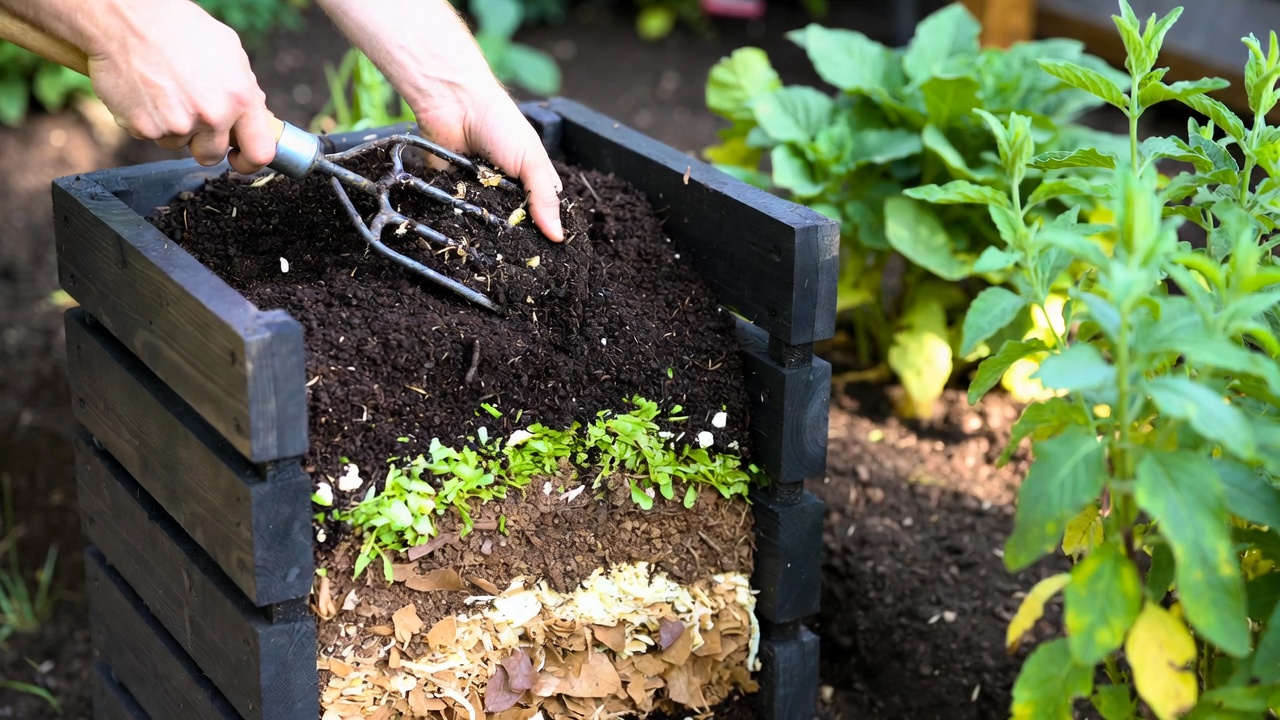
Use a bin or build a simple wooden frame.
-
Layer brown and green materials for balance.
-
Add water if dry; keep mixture moist like a sponge.
For Vermicomposting
-
Use a shallow bin with drainage holes.
-
Add bedding: shredded newspaper, cardboard, or coconut coir.
-
Introduce red worms.
-
Feed gradually with kitchen scraps.
Step 4: What to Compost
Greens (Nitrogen-Rich)
-
Fruit and vegetable scraps
-
Coffee grounds and tea leaves
-
Grass clippings
Browns (Carbon-Rich)
-
Dry leaves
-
Shredded cardboard and paper
-
Sawdust or wood chips
Items to Avoid
-
Meat, fish, and dairy (except Bokashi method)
-
Oily foods
-
Pet waste or chemicals
Step 5: Maintaining Your Compost
-
Aeration: Turn pile or rotate tumbler every 1–2 weeks.
-
Moisture: Check regularly; add water if too dry.
-
Balance: Maintain roughly 2:1 ratio of browns to greens.
-
Temperature: Ideal aerobic compost reaches 135–160°F for faster decomposition.
Step 6: Troubleshooting Common Compost Issues
Problem: Odor
-
Cause: Too much green material or moisture.
-
Solution: Add more browns and turn pile.
Problem: Pests
-
Cause: Exposed food scraps or improper bin.
-
Solution: Bury food under browns, use enclosed bin, avoid meat/dairy.
Problem: Slow Decomposition
-
Cause: Lack of nitrogen, moisture, or aeration.
-
Solution: Add greens, water, and turn pile more frequently.
Problem: Compost Too Wet
-
Cause: Excess moisture or rain.
-
Solution: Add browns, cover with tarp, improve drainage.
Step 7: Harvesting Finished Compost
-
Dark brown, crumbly, and earthy-smelling.
-
Usually ready in 2–6 months (backyard) or 2–3 months (tumbler/vermicomposting).
-
Remove large unprocessed materials and return to pile.
Step 8: Using Compost in Your Garden
-
Mix with potting soil for container plants.
-
Apply as a top dressing for vegetables and flowers.
-
Enrich garden beds to improve soil structure and nutrient content.
-
Use in seed-starting mixes (small amounts).
Step 9: Advanced Tips for Faster Composting
-
Chop or shred materials for quicker decomposition.
-
Alternate layers of greens and browns for better airflow.
-
Maintain consistent moisture and turn pile regularly.
-
Add a handful of garden soil or finished compost to introduce microbes.
Step 10: Composting in Small Spaces or Apartments
-
Use vermicomposting bins or Bokashi buckets.
-
Place bin under kitchen sink or balcony.
-
Collect scraps in a small container and transfer to worm bin daily.
-
Use finished compost in potted plants or small garden areas.
Step 11: Benefits Beyond the Garden
-
Reduces landfill waste and greenhouse gas emissions.
-
Saves money on fertilizer.
-
Improves plant growth, flowering, and vegetable yield.
-
Encourages environmentally conscious habits.
Step 12: Frequently Asked Questions
Q1: Can I compost indoors?
-
Yes, vermicomposting and Bokashi are ideal for apartments.
Q2: How often should I turn my compost pile?
-
Every 1–2 weeks for backyard piles; tumblers can be rotated more frequently.
Q3: How long does it take to make compost?
-
Backyard piles: 3–6 months
-
Tumblers: 2–3 months
-
Vermicomposting: 1–3 months
Q4: Can I compost meat or dairy?
-
Only with Bokashi or specialized worm systems.
Q5: How much compost should I add to soil?
-
Mix 25–50% finished compost with garden or potting soil for best results.
Step 13: Sustainability and Eco-Friendly Practices
-
Use kitchen and yard waste efficiently.
-
Avoid chemical additives in compost.
-
Share compost with neighbors or community gardens.
-
Combine with rainwater harvesting for a zero-waste garden.
Final Thoughts
Composting is a simple, sustainable, and rewarding practice for beginners. By understanding:
-
Proper compost materials (greens and browns)
-
Aeration, moisture, and balance
-
Different composting methods (backyard, vermicomposting, Bokashi)
-
Common troubleshooting and maintenance
You can produce nutrient-rich compost to enhance soil fertility, reduce waste, and grow healthier plants. Starting small is easy, and as confidence grows, you can scale up to a full garden composting system.