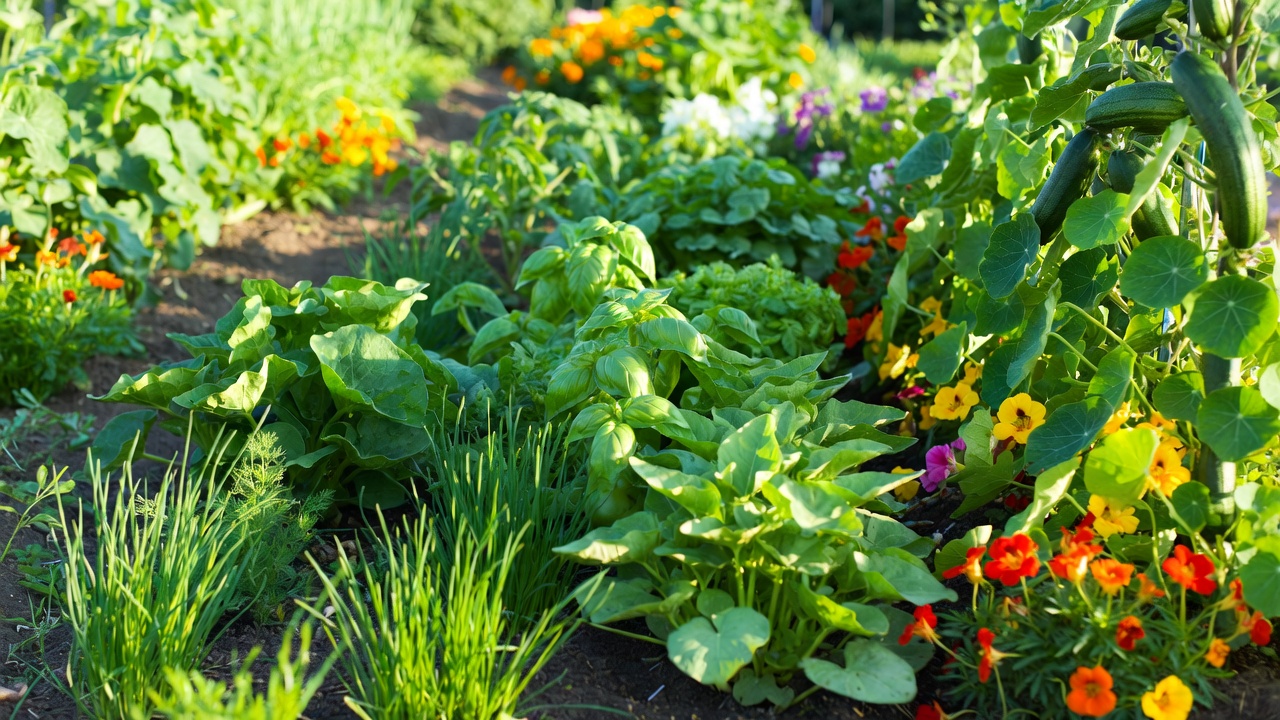
Companion planting is a powerful, natural gardening technique that maximizes plant health, improves yields, and reduces pests without chemical interventions. By strategically pairing certain plants, you can create a balanced, resilient, and productive garden ecosystem.
This guide covers the best companion plants for a healthy garden, detailing which plant pairings work, why they’re beneficial, and practical tips for implementation for beginners and experienced gardeners alike.
Step 1: Understanding Companion Planting
Companion planting is the practice of planting different crops close together for mutual benefit. Benefits include:
-
Pest control: Certain plants repel harmful insects.
-
Pollination: Flowers attract pollinators to vegetables.
-
Soil enrichment: Nitrogen-fixing plants improve soil fertility.
-
Space optimization: Maximizes growth in small areas.
-
Flavor enhancement: Some plant combinations improve taste.
Step 2: Classic Companion Plant Pairings
1. Tomatoes
-
Basil: Improves growth and flavor, repels aphids and tomato hornworms.
-
Marigolds: Repel nematodes and other soil pests.
-
Carrots: Aerate soil when planted nearby.
-
Garlic/Onions: Deters spider mites and aphids.
2. Cucumbers
-
Radishes: Repel cucumber beetles.
-
Nasturtiums: Act as trap crops for aphids and beetles.
-
Corn: Provides natural trellis for climbing cucumbers.
-
Dill: Attracts beneficial insects for pollination.
3. Carrots
-
Onions/Leeks: Deter carrot root fly.
-
Lettuce: Shade soil, keeping carrots cool and moist.
-
Tomatoes: Reduce aphid infestations.
4. Beans
-
Corn: Beans climb corn stalks naturally.
-
Cucumbers: Beans fix nitrogen, improving cucumber growth.
-
Marigolds: Reduce nematode populations near beans.
5. Leafy Greens (Lettuce, Spinach, Kale)
-
Radishes: Quick-growing radishes shade soil for slower-growing greens.
-
Chives/Onions: Repel aphids and leaf miners.
-
Strawberries: Provide ground cover and reduce weeds.
Step 3: Flowering Plants for a Healthy Garden
-
Marigolds: Repel nematodes, aphids, and whiteflies.
-
Calendula: Attracts pollinators, deters pests.
-
Sunflowers: Serve as natural trellis and attract pollinators.
-
Borage: Attracts bees, improves soil nutrients, deters tomato hornworms.
Step 4: Herbs as Companion Plants
-
Basil: Enhances tomato and pepper flavor, repels mosquitoes and flies.
-
Dill: Attracts beneficial insects like ladybugs and parasitic wasps.
-
Chives: Repel aphids and improve carrot growth.
-
Mint: Repels ants, aphids, and cabbage moths; plant in containers to prevent spreading.
Step 5: Companion Plants for Pest Control
-
Nasturtiums: Trap aphids, whiteflies, and beetles.
-
Garlic/Onions/Leeks: Repel spider mites, aphids, and carrot flies.
-
Chives/Marigolds: Prevent common soil pests.
-
Borage: Protects tomatoes and strawberries from insect damage.
Step 6: Soil-Enriching Companions
-
Legumes (Beans, Peas): Fix nitrogen in soil for leafy greens and heavy feeders.
-
Clover: Improves soil structure and nitrogen content.
-
Buckwheat: Attracts pollinators and improves soil for next crop rotation.
-
Comfrey: Deep roots mine nutrients for surface crops.
Step 7: Vertical and Space-Saving Companions
-
Corn + Beans + Squash (Three Sisters): Corn provides support, beans fix nitrogen, squash shades soil.
-
Trellised Cucumbers + Nasturtiums: Save space and repel pests.
-
Tomatoes + Basil: Compatible in pots or small garden beds.
-
Pole Beans + Sunflowers: Natural climbing support and pollinator attraction.
Step 8: Seasonal Companion Planting
Spring
-
Plant early crops like lettuce, radishes, peas with marigolds and herbs.
Summer
-
Tomatoes with basil, cucumbers with nasturtiums, beans with corn.
Fall
-
Leafy greens with garlic, onions, and calendula.
Winter (mild climates)
-
Cover crops like clover or buckwheat for soil enrichment.
Step 9: Companion Planting in Containers
-
Pair tomatoes with basil or marigolds.
-
Cucumbers in vertical trellis with radishes or nasturtiums at the base.
-
Herbs like chives, parsley, or mint in pots near vegetables to deter pests.
-
Companion planting in small spaces improves growth and reduces pest issues naturally.
Step 10: Companion Planting for Pollination
-
Flowers: Sunflowers, borage, calendula attract bees and beneficial insects.
-
Herbs: Dill, coriander, fennel attract predatory insects that control pests.
-
Mixed beds: Plant a few flowers among vegetables to ensure cross-pollination and higher yields.
Step 11: Companion Planting for Disease Prevention
-
Rotate plant families to reduce soil-borne diseases.
-
Intercrop with garlic, onions, or marigolds to reduce fungal and bacterial infections.
-
Avoid planting susceptible crops together (e.g., avoid grouping all nightshades in one area).
Step 12: Watering and Maintenance Tips for Companion Gardens
-
Group plants with similar water requirements together.
-
Mulch to retain moisture and reduce weeds.
-
Maintain airflow between companion plants to prevent mildew.
-
Regularly monitor for pests and beneficial insect activity.
Step 13: Companion Planting Mistakes to Avoid
-
Planting invasive species (e.g., mint) directly in garden beds.
-
Overcrowding plants, reducing airflow and increasing disease risk.
-
Ignoring soil nutrient needs for heavy feeders.
-
Using chemical pesticides that disrupt beneficial insect relationships.
Step 14: Frequently Asked Questions
Q1: Can companion planting increase yields?
-
Yes, proper plant pairings improve pollination, nutrient availability, and pest protection, boosting yields.
Q2: Which plants should never be planted together?
-
Avoid potatoes near tomatoes, onions near beans, and fennel near most vegetables.
Q3: Can companion planting work in small gardens or containers?
-
Absolutely. Herbs, flowers, and vegetables can be paired in containers for mutual benefits.
Q4: How do companion plants repel pests?
-
Through scent (e.g., garlic), trap crops (e.g., nasturtiums), or attracting predatory insects (e.g., dill, borage).
Q5: Is companion planting organic?
-
Yes, it is a natural gardening method that reduces chemical dependency.
Step 15: Final Thoughts
Companion planting is a simple, effective, and sustainable method to grow a healthy garden. Key points to remember:
-
Pair plants for pest control, pollination, and soil improvement.
-
Include flowers and herbs to attract beneficial insects.
-
Rotate crops and monitor for plant compatibility.
-
Utilize vertical space and container gardens for small areas.
-
Companion planting supports organic, chemical-free gardening.
By planning your garden with companion plants in mind, you can maximize growth, protect plants naturally, and create a thriving, productive garden ecosystem.