Introduction
Urban living often comes with limited outdoor space, making gardening seem impossible. However, vertical gardens provide a space-saving solution that allows even the tiniest balconies, patios, or walls to host lush greenery.
Vertical gardening is not only practical but also visually stunning, enhancing indoor and outdoor spaces. This guide highlights the best vertical garden ideas for tiny spaces, including planting techniques, design inspirations, plant recommendations, and maintenance tips to help you create a thriving green space, regardless of size.
1. Assess Your Space
Before starting a vertical garden, evaluate the space you have:
-
Wall Space: Measure the width and height of the wall or balcony.
-
Sunlight Exposure: Observe how many hours of direct sunlight your area receives daily.
-
Weight Capacity: Ensure the wall or structure can support planters, soil, and water.
-
Accessibility: Consider ease of watering and maintenance.
Proper assessment ensures you select the right plants, containers, and vertical garden style.
2. Choose the Right Vertical Garden Style
There are several vertical garden types suitable for tiny spaces:
-
Wall-Mounted Planters: Compact containers attached directly to walls.
-
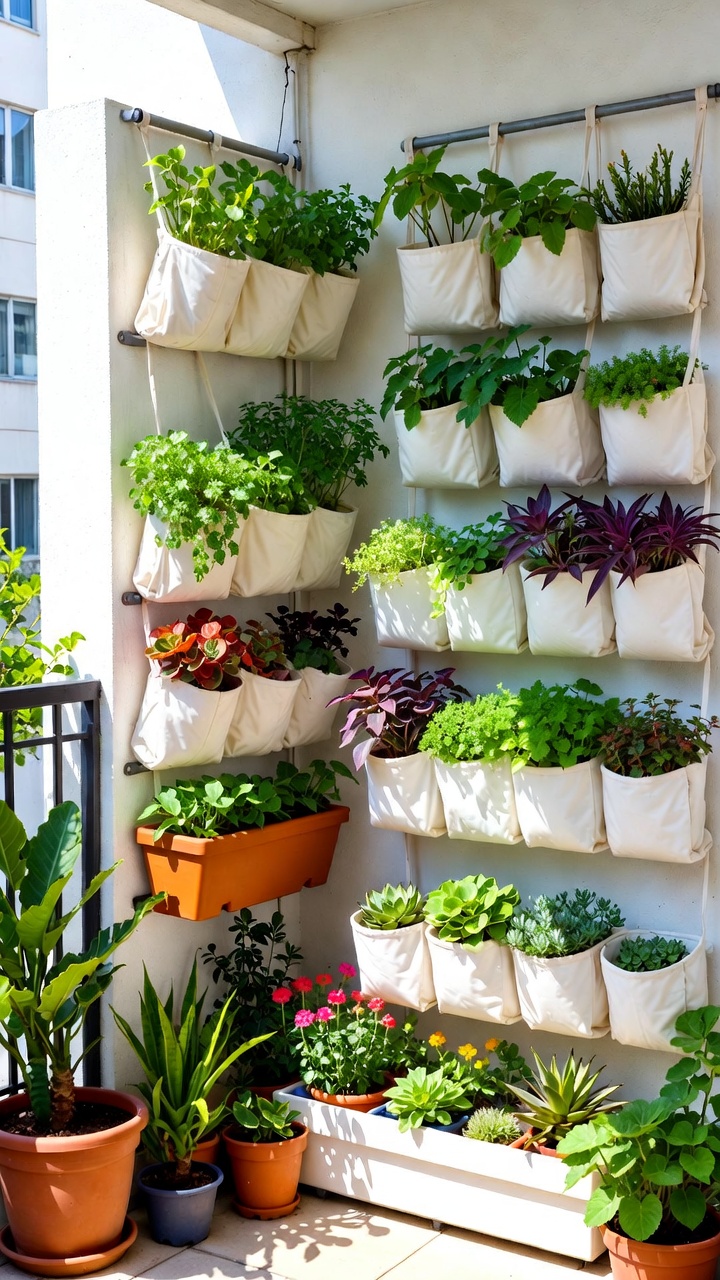
Pocket Planters: Fabric or felt pockets holding individual plants, ideal for small balconies.
-
Hanging Planters: Use ropes, shelves, or hooks for cascading plants.
-
Tiered Shelves: Stackable pots on shelves for maximum use of vertical height.
-
Pallet Gardens: Recycled wooden pallets converted into plant holders.
-
Trellises and Climbers: Encourage vines and climbing plants to grow vertically.
Choose a style that complements your space, sunlight, and desired plant type.
3. Select Plants Suitable for Vertical Gardening
When space is limited, choose plants that thrive in containers and vertical arrangements:
3.1 Herbs
-
Basil, parsley, mint, thyme, rosemary
-
Why: Compact, easy to grow, and useful for cooking.
3.2 Leafy Greens
-
Lettuce, spinach, kale
-
Why: Quick-growing, shallow roots, perfect for vertical pockets.
3.3 Succulents
-
Echeveria, Sedum, Aloe Vera
-
Why: Low maintenance, drought-tolerant, visually appealing.
3.4 Flowering Plants
-
Petunias, Begonias, Pansies
-
Why: Add color and vibrancy, adaptable to vertical setups.
3.5 Climbers & Vines
-
Ivy, Jasmine, Morning Glory, Sweet Peas
-
Why: Naturally vertical growth, ideal for trellises and walls.
Mix plant types for aesthetic appeal and functionality.
4. Prepare Your Vertical Garden Structure
-
Material: Wood, metal, plastic, fabric, or recycled pallets.
-
Containers: Small pots, jars, or pockets depending on plant size.
-
Mounting: Use hooks, screws, or brackets suitable for the wall type.
-
Drainage: Ensure proper water drainage to prevent root rot.
Tip: Lightweight materials are preferred for tiny spaces and balconies to avoid overloading structures.
5. Soil and Fertilization
-
Soil: Use well-draining potting soil for containers. Avoid heavy garden soil.
-
Compost: Add organic compost to enrich nutrients.
-
Fertilizers: Use slow-release or liquid fertilizers depending on plant type.
-
pH Balance: Check soil pH suitable for the plants you’re growing.
Good soil preparation ensures healthy, thriving vertical gardens.
6. Planting Tips
-
Arrange by Sunlight Needs: Place sun-loving plants at the top and shade-tolerant at the bottom.
-
Spacing: Avoid overcrowding for airflow and growth.
-
Depth: Use containers deep enough for roots to expand.
-
Propagation: Use seedlings, cuttings, or small plants to save space initially.
Correct planting prevents plant stress and maximizes vertical space.
7. Watering Techniques
-
Frequency: Water according to plant type; most vertical gardens dry out faster than horizontal beds.
-
Drip Irrigation: Ideal for consistent watering in vertical arrangements.
-
Self-Watering Containers: Useful for tiny spaces with limited daily attention.
-
Bottom Watering: Ensures even moisture without waterlogging leaves.
Overwatering is the most common mistake in vertical gardens.
8. Maintenance and Pruning
-
Regular Trimming: Keep plants tidy and prevent overcrowding.
-
Dead Leaf Removal: Enhances airflow and reduces pests.
-
Fertilization: Feed plants every 3–4 weeks for optimal growth.
-
Pest Monitoring: Check for aphids, mealybugs, and fungal infections.
A simple weekly routine ensures your vertical garden thrives in tiny spaces.
9. Creative Vertical Garden Ideas
-
Mini Herb Wall: Perfect for kitchens or balconies.
-
Succulent Mosaic: Create colorful patterns using different succulents.
-
Hanging Bottle Garden: Recycle plastic bottles as vertical planters.
-
Living Frame: A “plant picture” using a shallow frame with small flowering plants.
-
Tiered Balcony Garden: Stack multiple small pots for maximum greenery in narrow balconies.
-
Wall Pocket Garden: Fabric pockets filled with herbs or flowers for easy maintenance.
Creativity allows you to maximize greenery without consuming floor space.
10. Benefits of Vertical Gardening in Tiny Spaces
-
Space Efficiency: Utilizes walls and vertical surfaces.
-
Aesthetic Appeal: Adds greenery and color to small spaces.
-
Air Quality Improvement: Plants improve indoor and outdoor air.
-
Stress Reduction: Gardening enhances mental well-being.
-
Accessibility: Vertical layout makes watering and harvesting easier.
-
Eco-Friendly: Promotes local greenery and sustainability.
11. Seasonal Considerations
-
Spring/Summer: Plant sun-loving herbs, leafy greens, and flowers.
-
Autumn: Harvest and rotate seasonal crops.
-
Winter: Protect sensitive plants indoors or use frost covers.
-
Maintenance: Adjust watering and sunlight as seasons change.
Seasonal awareness ensures year-round thriving vertical gardens.
12. Common Mistakes to Avoid
-
Choosing plants with incompatible sunlight needs
-
Overcrowding vertical planters
-
Ignoring drainage leading to root rot
-
Using heavy containers in tiny balconies
-
Neglecting maintenance and pruning
Awareness of these mistakes helps beginners maintain healthy vertical gardens.
13. Step-by-Step Checklist for Tiny Vertical Gardens
-
Assess sunlight, wall space, and weight limits.
-
Choose a vertical garden type: wall-mounted, pallet, pocket, or tiered shelf.
-
Select beginner-friendly plants.
-
Prepare containers and soil.
-
Arrange plants by sunlight requirements.
-
Install irrigation or watering system.
-
Plant seedlings carefully with proper spacing.
-
Maintain weekly: prune, fertilize, and check for pests.
-
Rotate or replace seasonal plants as needed.
Conclusion
Vertical gardens provide a practical and aesthetic solution for tiny spaces. By following these best vertical garden ideas, beginners can enjoy lush greenery even in balconies, patios, or narrow walls.
With the right plant selection, structure, and maintenance routine, a tiny vertical garden can transform small spaces into vibrant, thriving green areas, improving air quality, reducing stress, and adding a natural beauty to your home.
Start your vertical gardening journey today and make every inch count!