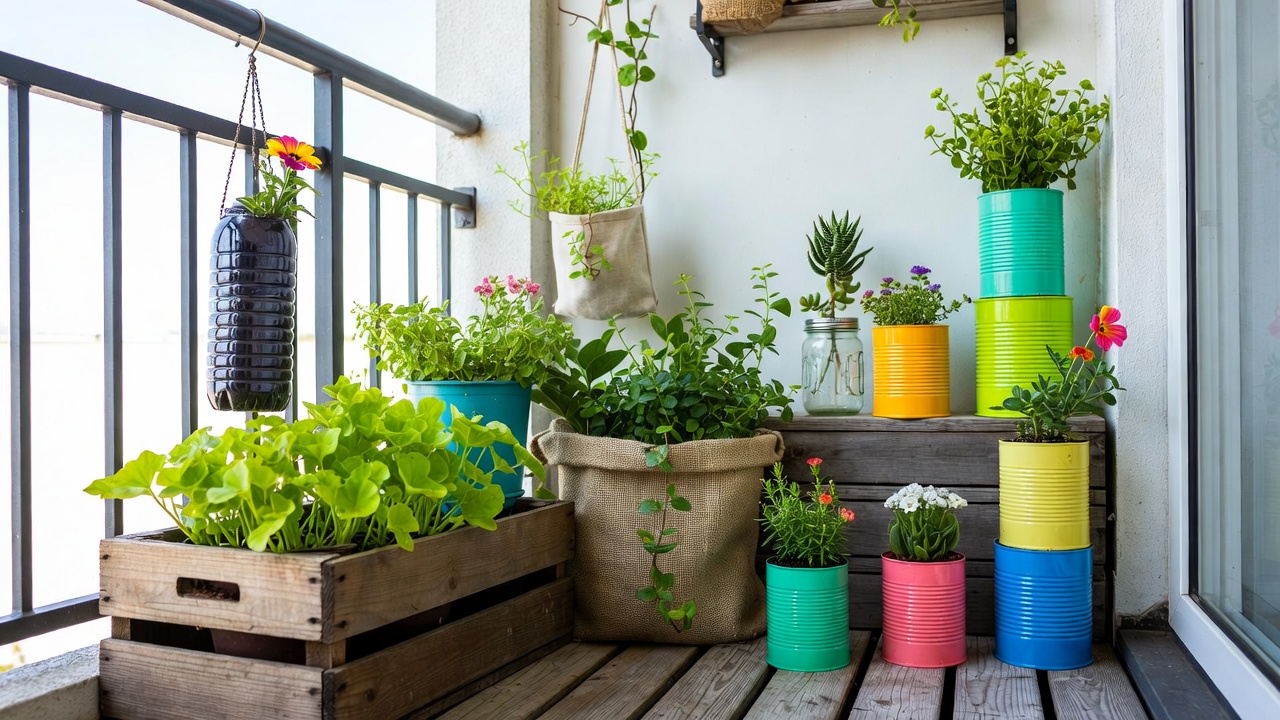
Creating greenery in small spaces doesn’t have to break the bank. Budget-friendly DIY planters allow you to turn tiny balconies, windowsills, or indoor corners into lush green spaces using creative and low-cost solutions.
This guide covers everything: materials, design ideas, step-by-step DIY plans, plant selection, care tips, and layout strategies to make the most of your limited space.
Why DIY Planters for Small Spaces?
Small spaces require efficient, vertical, or compact solutions, and DIY planters provide:
-
Cost savings vs buying ready-made pots
-
Custom shapes and sizes
-
Personal creative touch
-
Reuse of materials (eco-friendly)
-
Flexibility for changing plant types
DIY planters are perfect for balconies, terraces, kitchen windows, apartments, and indoor corners.
Key Considerations Before Making DIY Planters
1. Space and Layout
-
Measure available area
-
Decide vertical vs horizontal planters
-
Consider movable vs fixed installations
2. Weight Limitations
-
Small balconies have load restrictions
-
Use lightweight materials like plastic, wood, or fabric
-
Avoid heavy concrete unless supported
3. Drainage and Water Management
-
Ensure DIY containers have drainage holes
-
Add gravel or small stones for better water flow
-
Use liners to prevent water damage to floors
4. Plant Selection
Choose plants that suit small spaces:
-
Compact herbs: basil, thyme, mint
-
Small vegetables: cherry tomatoes, peppers
-
Trailing plants for vertical effect: pothos, ivy, string of pearls
-
Succulents for low maintenance
Budget-Friendly DIY Planter Ideas
1. Recycled Plastic Bottles
How to Make:
-
Cut bottles horizontally or vertically
-
Poke holes at the bottom for drainage
-
Fill with potting mix
-
Hang using strings or attach to a railing
Pros:
-
Ultra-low cost
-
Lightweight
-
Easy to customize
2. Tin Cans and Food Containers
-
Wash and clean old cans
-
Decorate with paint, rope, or fabric
-
Drill drainage holes
-
Stack or hang on walls
Benefits:
-
Perfect for kitchen herbs
-
Fun creative project for kids
3. Wooden Crates and Boxes
-
Use small wooden crates or fruit boxes
-
Line with plastic to prevent water leakage
-
Stack vertically or arrange on shelves
-
Great for larger plants or multiple herbs
Tips:
-
Sand edges to prevent splinters
-
Apply water-resistant sealant for longevity
4. Hanging Fabric Pockets
-
Use old fabric or repurpose tote bags
-
Sew small pockets for soil
-
Hang on walls or balcony railing
-
Ideal for vertical gardening
Advantages:
-
Space-saving
-
Lightweight
-
Good for trailing herbs or small flowers
5. PVC Pipe Planters
-
Cut PVC pipes into sections
-
Drill drainage holes
-
Paint or decorate for aesthetics
-
Mount on walls for vertical gardens
Pros:
-
Durable and waterproof
-
Stackable and modular
6. Terracotta Pot Alternatives
-
Use inexpensive clay pots or broken pieces for mosaic style
-
Drill holes if needed
-
Stack smaller pots inside bigger ones for layered planting
Tips:
-
Terracotta absorbs water → check watering frequency
-
Can be painted for a modern look
7. Upcycled Furniture
-
Use drawers, old stools, or benches
-
Line with plastic
-
Fill with soil
-
Convert into mini planters or herb corners
Pros:
-
Adds unique character
-
Repurposes furniture
-
Cost-effective if sourced second-hand
8. Egg Cartons (for Seedlings)
-
Start seeds in cardboard egg cartons
-
Place under sunlight
-
Transplant into bigger containers when seedlings grow
Pros:
-
Extremely low cost
-
Biodegradable
-
Perfect for starting herbs and small plants
9. Mason Jars and Glass Containers
-
Fill jars with soil and small plants
-
Add drainage stones at the bottom
-
Perfect for indoor small spaces
Tips:
-
Ideal for succulents and mini herbs
-
Avoid overwatering as drainage is limited
10. Wall-Mounted Pallet Gardens
-
Use old wooden pallets
-
Line with landscape fabric
-
Fill pockets with soil
-
Attach to walls or balcony fences
Benefits:
-
Vertical gardening
-
Saves floor space
-
Can grow multiple plants at once
DIY Planter Materials on a Budget
-
Recycled plastics (bottles, containers)
-
Tin cans and jars
-
Scrap wood and crates
-
Fabric and canvas
-
PVC and PVC fittings
-
Old furniture items
-
Egg cartons
Most materials are free or extremely low cost and environmentally friendly.
How to Arrange DIY Planters in Small Spaces
1. Vertical Arrangement
-
Stack planters vertically to save floor space
-
Use hanging baskets or wall-mounted pockets
2. Balcony Railing Planters
-
Use lightweight pots with hooks
-
Great for herbs or trailing plants
3. Window Sill Gardens
-
Use mason jars or small containers
-
Easy access to sunlight
-
Perfect for indoor herbs
4. Multi-Level Shelves
-
Repurpose shelves or crates
-
Organize multiple planters
-
Create an urban jungle effect
Care Tips for Small Space DIY Planters
1. Watering
-
Check moisture daily in hot weather
-
Water until drainage appears
-
Use mulch to retain soil moisture
2. Fertilization
-
Apply slow-release fertilizer at planting
-
Liquid fertilizer every 2–3 weeks
-
Adjust according to plant type
3. Sunlight Management
-
Observe which areas get sun
-
Move plants around for optimal exposure
-
Consider trailing or shade-tolerant plants for low-light spots
4. Pest and Disease Management
-
Inspect plants regularly
-
Remove dead leaves
-
Use neem oil or natural remedies for pest control
-
Avoid overcrowding
Safety Considerations
-
Ensure hanging planters are secure
-
Avoid overloading balcony railings
-
Use lightweight materials to prevent accidents
-
Protect floors from water spills with trays
Frequently Asked Questions (Search Intent Answers)
What are the cheapest DIY planters for small spaces?
Recycled bottles, tin cans, and egg cartons are the most budget-friendly.
Can I grow vegetables in small DIY planters?
Yes, cherry tomatoes, peppers, lettuce, and herbs grow well in compact DIY containers.
How do I make a vertical DIY planter?
Use PVC pipes, hanging fabric pockets, or stacked crates to save floor space.
How often should I water small DIY planters?
Water when the top 1–2 inches of soil is dry, usually daily in summer and less in cooler months.
Final Thoughts
Creating budget-friendly DIY planters for small spaces is practical, sustainable, and fun.
Key takeaways:
-
Repurpose low-cost materials creatively
-
Ensure proper drainage and light
-
Choose compact or trailing plants
-
Arrange vertically or use railing/wall space
-
Maintain consistent watering and fertilization
Even a tiny balcony, windowsill, or apartment corner can become a lush, green sanctuary without spending a fortune. With creativity and care, your small space can thrive with greenery while staying wallet-friendly.