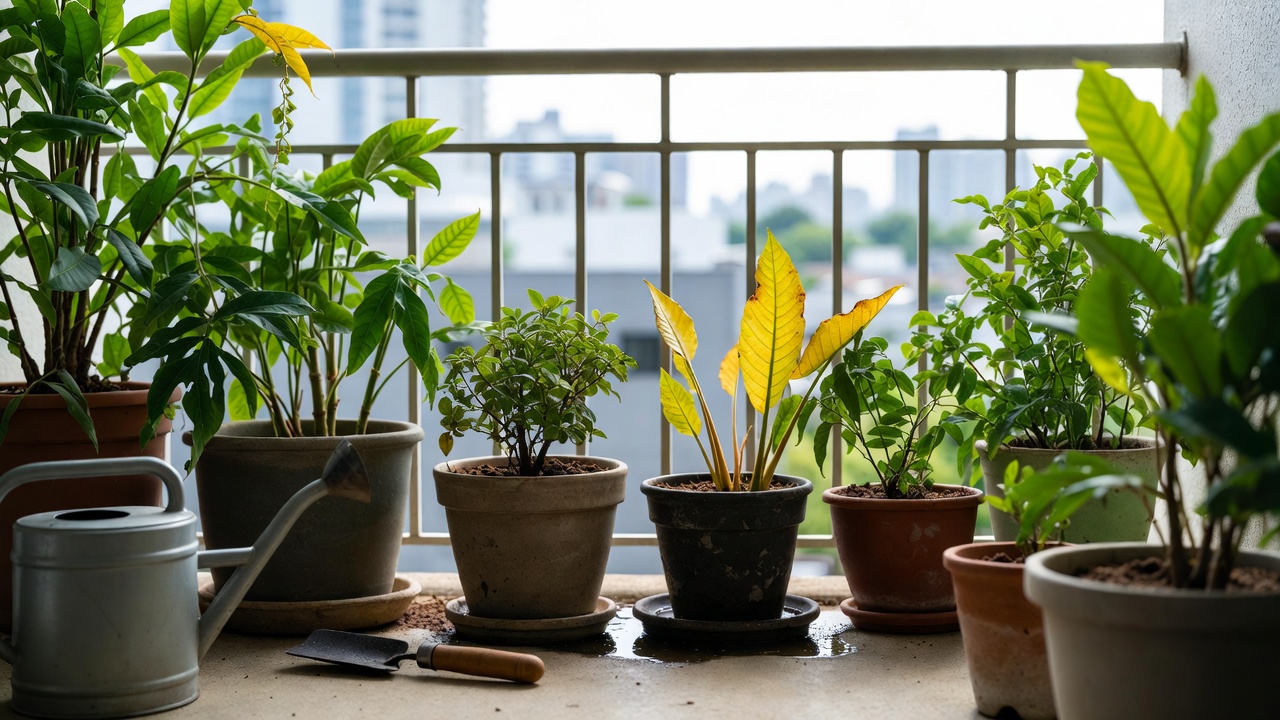
Container gardening is one of the easiest ways to grow herbs, vegetables, flowers, and even small fruit trees in limited space. Whether you garden on a balcony, patio, rooftop, or windowsill, growing in pots gives you flexibility and control.
But beginners often make simple mistakes that lead to weak growth, yellow leaves, root rot, pests, or poor harvests.
This comprehensive guide covers container gardening mistakes to avoid, explains why they happen, and provides practical, step-by-step solutions.
Why Container Gardening Is Different from Ground Gardening
Plants in containers behave differently from plants in soil because:
-
Roots are restricted
-
Water drains faster
-
Nutrients deplete quickly
-
Temperature fluctuates more
-
Soil compacts faster
Understanding these differences helps prevent the most common failures.
15 Container Gardening Mistakes to Avoid
1. Choosing the Wrong Container Size
The Mistake:
Using pots that are too small for the plant’s root system.
Why It’s a Problem:
-
Roots become root-bound
-
Water dries too quickly
-
Nutrient competition increases
-
Growth becomes stunted
Example:
Tomatoes and peppers need at least 5-gallon containers.
The Fix:
-
Leafy greens: 6–8 inches deep
-
Herbs: 8–10 inches deep
-
Tomatoes: 12–18 inches deep
-
Root vegetables: 10–14 inches deep
Always choose slightly larger than you think you need.
2. No Drainage Holes
The Mistake:
Using decorative pots without drainage holes.
Why It’s a Problem:
-
Water pools at the bottom
-
Roots suffocate
-
Fungal diseases develop
-
Root rot spreads
The Fix:
-
Always use containers with drainage holes
-
If using decorative pots, place a plastic nursery pot inside
-
Elevate pots slightly using pot feet
Proper drainage is non-negotiable.
3. Using Garden Soil Instead of Potting Mix
The Mistake:
Filling containers with backyard soil.
Why It’s a Problem:
-
Compacts easily
-
Drains poorly
-
Contains pests or pathogens
-
Reduces oxygen flow
The Fix:
Use a high-quality potting mix designed for containers.
Look for:
-
Peat moss or coco coir
-
Perlite or vermiculite
-
Compost
Potting mix stays light and airy.
4. Overwatering
The Mistake:
Watering daily without checking soil moisture.
Why It’s a Problem:
-
Causes root rot
-
Yellow leaves
-
Fungus gnats
-
Weak roots
The Fix:
-
Insert finger 1–2 inches into soil
-
Water only when top layer is dry
-
Ensure excess water drains out
Remember: Most container plants die from overwatering, not underwatering.
5. Underwatering
The Mistake:
Forgetting that containers dry faster than ground soil.
Why It’s a Problem:
-
Wilting
-
Leaf drop
-
Blossom end rot (in tomatoes)
-
Bitter lettuce
The Fix:
-
Check daily in hot weather
-
Use mulch on top of soil
-
Consider self-watering containers
Consistency is key.
6. Ignoring Sunlight Requirements
The Mistake:
Placing sun-loving plants in shade.
Why It’s a Problem:
-
Weak stems
-
Low flowering
-
Poor fruit production
Sunlight Guide:
-
Full sun: 6–8 hours
-
Partial sun: 3–6 hours
-
Shade: Less than 3 hours
Match plant needs to your balcony or patio exposure.
7. Not Fertilizing Regularly
The Mistake:
Assuming potting mix contains enough nutrients long-term.
Why It’s a Problem:
-
Containers lose nutrients quickly
-
Plants become pale and slow-growing
-
Yields decrease
The Fix:
-
Use liquid fertilizer every 2–4 weeks
-
Or slow-release fertilizer at planting
-
Add compost mid-season
Feeding is essential in container gardening.
8. Overcrowding Plants
The Mistake:
Planting too many plants in one container.
Why It’s a Problem:
-
Root competition
-
Airflow reduction
-
Higher disease risk
-
Smaller harvests
The Fix:
Follow spacing guidelines:
-
1 tomato per large pot
-
2–3 lettuce plants per 12-inch pot
-
1 pepper per 12-inch pot
Give roots room to grow.
9. Ignoring Temperature Stress
The Mistake:
Leaving containers exposed during extreme heat or cold.
Why It’s a Problem:
-
Roots overheat
-
Soil dries rapidly
-
Frost damage
The Fix:
-
Move pots during heatwaves
-
Use light-colored containers
-
Insulate during cold nights
Containers are portable—use that advantage.
10. Using the Wrong Container Material
Different materials affect moisture and temperature:
| Material | Pros | Cons |
|---|---|---|
| Plastic | Retains moisture | Can overheat |
| Clay/Terracotta | Breathable | Dries quickly |
| Metal | Durable | Heats up fast |
| Fabric | Great drainage | Needs frequent watering |
Choose based on climate and plant type.
11. Skipping Mulch
The Mistake:
Leaving soil surface exposed.
Why It’s a Problem:
-
Faster evaporation
-
Temperature swings
-
Weed growth
The Fix:
Add:
-
Straw
-
Bark chips
-
Compost layer
Mulch stabilizes moisture.
12. Poor Plant Selection
The Mistake:
Trying to grow large crops in small containers.
Better Choices for Containers:
-
Dwarf tomatoes
-
Bush cucumbers
-
Compact peppers
-
Leafy greens
-
Herbs
Choose varieties labeled “compact” or “container-friendly.”
13. Forgetting to Rotate Crops
The Mistake:
Replanting the same crop in the same soil repeatedly.
Why It’s a Problem:
-
Nutrient depletion
-
Pest buildup
-
Disease risk
The Fix:
-
Replace soil yearly
-
Rotate plant families
-
Refresh with compost
14. Ignoring Pest Control Early
Common Container Pests:
-
Aphids
-
Spider mites
-
Whiteflies
-
Fungus gnats
The Fix:
-
Inspect weekly
-
Use neem oil
-
Remove damaged leaves
-
Improve airflow
Early detection prevents infestation.
15. Not Supporting Tall Plants
The Mistake:
Letting tomatoes or beans grow unsupported.
Why It’s a Problem:
-
Broken stems
-
Poor airflow
-
Disease spread
The Fix:
-
Use stakes or cages at planting time
-
Tie loosely with soft ties
Support early, not later.
Bonus: Beginner Container Gardening Checklist
Before planting, confirm:
✔ Container has drainage holes
✔ Correct pot size
✔ High-quality potting mix
✔ Sunlight matches plant needs
✔ Fertilizer plan ready
✔ Proper spacing
✔ Support structures installed
Frequently Asked Questions (Search Intent Answers)
How often should I water container plants?
Check soil daily. Water when the top 1–2 inches feel dry.
What is the best soil for container gardening?
Use lightweight potting mix with perlite and organic matter.
Can I reuse potting soil?
Yes, if refreshed with compost and organic fertilizer.
Why are my container plants turning yellow?
Common causes:
-
Overwatering
-
Nutrient deficiency
-
Poor drainage
Final Thoughts
Container gardening is simple, flexible, and productive—but only when done correctly.
By avoiding these common container gardening mistakes:
-
You protect root health
-
Improve nutrient uptake
-
Increase harvest yields
-
Reduce pests and disease
-
Save time and money
Start with the basics: proper drainage, correct container size, quality potting mix, and consistent care.
Small changes create big results in container gardening.