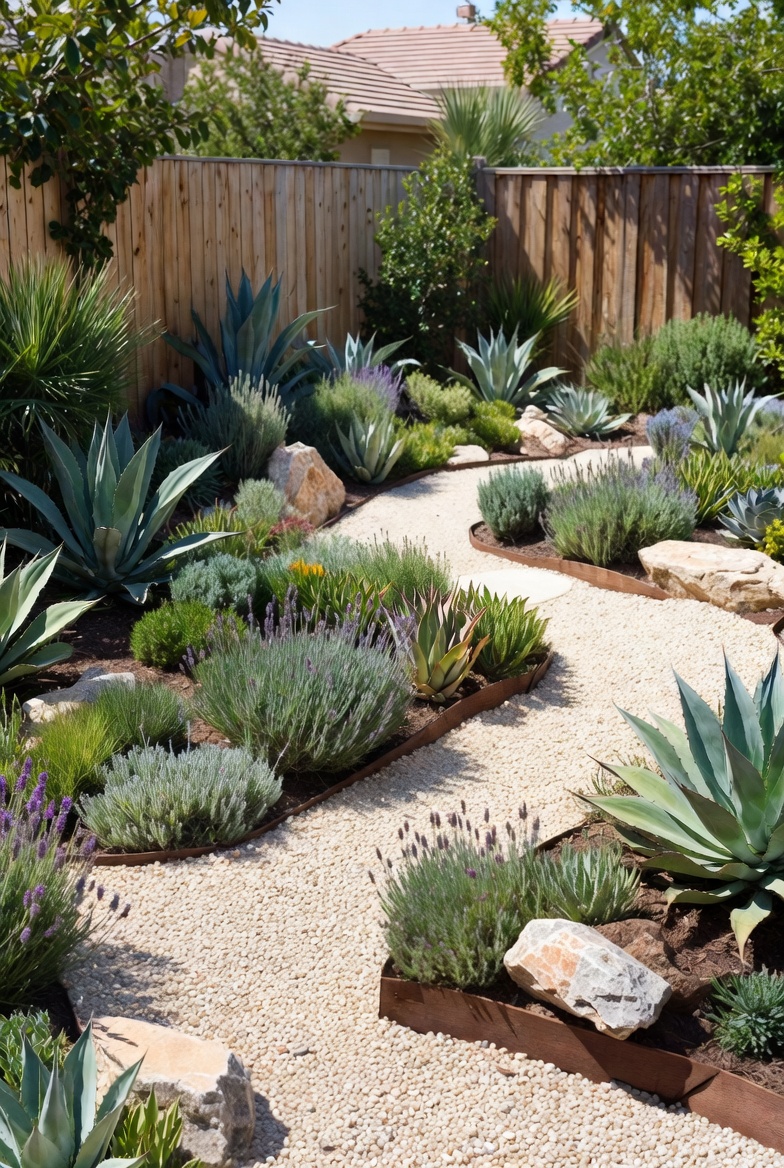
Water scarcity is becoming a global concern, making drought-resistant gardening an essential approach for sustainable landscaping. A drought-resistant garden uses plants and design strategies that require minimal water while still creating a beautiful outdoor space.
Learning how to design a drought-resistant garden helps homeowners reduce water consumption, lower maintenance costs, and create environmentally friendly landscapes that thrive in dry conditions.
This guide explains the principles of water-smart landscaping, including plant selection, soil improvement, irrigation systems, and garden layout techniques.
What Is a Drought-Resistant Garden?
A drought-resistant garden is designed to survive and thrive with limited water. It focuses on plants adapted to dry climates and landscaping methods that conserve moisture.
Key characteristics include:
- Low-water plants
- Efficient irrigation systems
- Soil that retains moisture
- Mulching to reduce evaporation
- Smart garden layout
This method is often referred to as xeriscaping, a landscaping technique developed to minimize water use.
Benefits of Designing a Drought-Resistant Garden
Creating a water-smart garden offers several advantages.
1. Lower Water Consumption
Drought-resistant plants need significantly less watering than traditional lawns and gardens.
2. Reduced Maintenance
These gardens require less mowing, fertilizing, and pruning.
3. Lower Utility Bills
Using less water reduces monthly water costs.
4. Environmental Sustainability
Drought-friendly landscaping helps conserve natural water resources.
5. Improved Soil Health
Organic materials and mulch improve soil structure over time.
Step 1: Understand Your Climate and Soil
Before designing a drought-resistant garden, analyze your local environment.
Climate Factors
Consider the following:
- Average rainfall
- Temperature extremes
- Sun exposure
- Wind conditions
These factors determine which plants will survive with minimal watering.
Soil Testing
Soil type affects water retention.
Common soil types include:
Sandy Soil
- Drains quickly
- Requires organic matter
Clay Soil
- Holds water longer
- Needs aeration
Loamy Soil
- Ideal balance for most plants
Improving soil quality increases moisture retention and plant health.
Step 2: Choose Drought-Tolerant Plants
Plant selection is the most important step in drought-resistant garden design.
Characteristics of Drought-Tolerant Plants
These plants typically have:
- Deep root systems
- Small or waxy leaves
- Slow growth
- Ability to store water
Best Drought-Resistant Plants
Flowering Plants
Examples include:
- Lavender
- Coneflower
- Blanket flower
- Yarrow
- Black-eyed Susan
These plants provide color while requiring little water.
Ornamental Grasses
Grasses add texture and movement.
Examples:
- Blue fescue
- Fountain grass
- Mexican feather grass
These plants tolerate dry soil and intense sunlight.
Succulents
Succulents store water in their leaves.
Examples include:
- Aloe
- Agave
- Sedum
- Echeveria
They are ideal for extremely dry climates.
Shrubs
Drought-tolerant shrubs provide structure to the garden.
Examples:
- Rosemary
- Sage
- Juniper
- Oleander
Many also produce fragrant foliage.
Step 3: Reduce Lawn Areas
Traditional lawns consume large amounts of water.
Replacing lawns with drought-resistant alternatives helps conserve water.
Lawn Alternatives
Consider these options:
- Gravel landscapes
- Native groundcovers
- Mulch gardens
- Decorative stone pathways
Reducing lawn areas is one of the most effective water-saving strategies.
Step 4: Use Mulch to Retain Moisture
Mulch is a key element of drought-resistant gardening.
Benefits of Mulching
Mulch helps:
- Reduce soil evaporation
- Prevent weed growth
- Improve soil fertility
- Maintain soil temperature
Best Types of Mulch
Organic mulch options include:
- Wood chips
- Bark
- Straw
- Compost
Inorganic options include:
- Gravel
- Pebbles
- Decorative stones
Apply mulch 2–3 inches thick for maximum moisture retention.
Step 5: Group Plants by Water Needs
This technique is called hydrozoning.
Hydrozoning organizes plants based on their watering requirements.
Example Zones
Low Water Zone
Plants that rarely need watering.
Moderate Water Zone
Plants that require occasional watering.
Higher Water Zone
Plants needing regular watering.
This method prevents overwatering and saves water.
Step 6: Install Efficient Irrigation Systems
Traditional sprinklers waste water through evaporation.
Water-smart irrigation methods include:
Drip Irrigation
Drip systems deliver water directly to plant roots.
Benefits:
- Minimal water waste
- Reduced evaporation
- Healthier plant growth
Soaker Hoses
These hoses slowly release water into soil.
They work well for:
- Garden beds
- Shrubs
- vegetable gardens
Smart Irrigation Controllers
Modern irrigation controllers adjust watering schedules based on:
- Weather conditions
- Soil moisture
- Rain forecasts
These systems improve water efficiency.
Step 7: Improve Soil Water Retention
Healthy soil holds moisture longer.
Ways to Improve Soil
Add organic matter such as:
- Compost
- Leaf mold
- Aged manure
Organic materials increase soil’s ability to retain water.
Step 8: Use Hardscaping Elements
Hardscaping refers to non-plant landscape features.
Examples include:
- Stone pathways
- Gravel patios
- Rock gardens
- Decorative boulders
These elements reduce the amount of irrigated land.
Step 9: Design for Shade and Wind Protection
Sun and wind increase water evaporation.
Strategic design can reduce these effects.
Create Shade
Use structures such as:
- Pergolas
- Trees
- Garden walls
Shaded areas retain moisture longer.
Block Strong Winds
Wind barriers help prevent plants from drying out.
Examples:
- Hedges
- Fences
- Trellises
Step 10: Collect Rainwater
Rainwater harvesting reduces dependency on municipal water.
Rainwater Collection Methods
- Rain barrels
- Roof water collection systems
- Garden storage tanks
Collected rainwater can be used for irrigation.
Maintenance Tips for Drought-Resistant Gardens
Although drought gardens require less maintenance, regular care is still necessary.
Water Deeply but Less Frequently
Deep watering encourages roots to grow deeper into soil.
This improves drought tolerance.
Remove Weeds Regularly
Weeds compete with plants for water and nutrients.
Prune Plants Carefully
Pruning helps plants maintain healthy growth.
Avoid excessive pruning during hot seasons.
Monitor Soil Moisture
Check soil moisture regularly to prevent overwatering.
Common Mistakes in Drought-Resistant Landscaping
Avoid these mistakes when designing your garden.
Choosing Non-Native Plants
Non-native plants often require more water.
Native plants are adapted to local climates.
Overwatering
Even drought-resistant plants can suffer from excess water.
Ignoring Soil Preparation
Poor soil reduces plant survival during drought conditions.
Planting Too Closely
Crowded plants compete for water.
Allow adequate spacing.
Drought-Resistant Garden Design Ideas
Here are some practical design ideas.
Mediterranean Garden Style
Features include:
- Lavender
- Rosemary
- Olive trees
- Gravel paths
This style thrives in dry climates.
Rock Garden
Rock gardens combine stones with drought-tolerant plants.
Benefits include:
- Low water usage
- Unique aesthetics
- Easy maintenance
Desert Landscape
Desert gardens feature succulents and cacti.
Common elements:
- Sand
- Rocks
- Sculptural plants
Environmental Benefits of Water-Smart Landscaping
Designing a drought-resistant garden supports sustainability.
Water Conservation
Reducing irrigation protects freshwater resources.
Reduced Chemical Use
Drought-tolerant plants require fewer fertilizers and pesticides.
Improved Biodiversity
Native plants support birds, pollinators, and beneficial insects.
Cost Savings of Drought-Resistant Landscaping
Water-smart gardens reduce long-term expenses.
Savings come from:
- Lower water bills
- Less lawn maintenance
- Reduced fertilizer costs
- Minimal landscaping equipment
Although initial design may require investment, long-term savings are significant.
Final Thoughts
Learning how to design a drought-resistant garden is an essential step toward sustainable landscaping. By choosing drought-tolerant plants, improving soil health, reducing lawn areas, and installing efficient irrigation systems, you can create a beautiful garden that thrives with minimal water.
Water-smart landscaping not only conserves resources but also produces a resilient outdoor space that requires less maintenance and lower costs over time.
With thoughtful planning and the right plant choices, any homeowner can build a drought-resistant garden that remains vibrant even in dry climates.