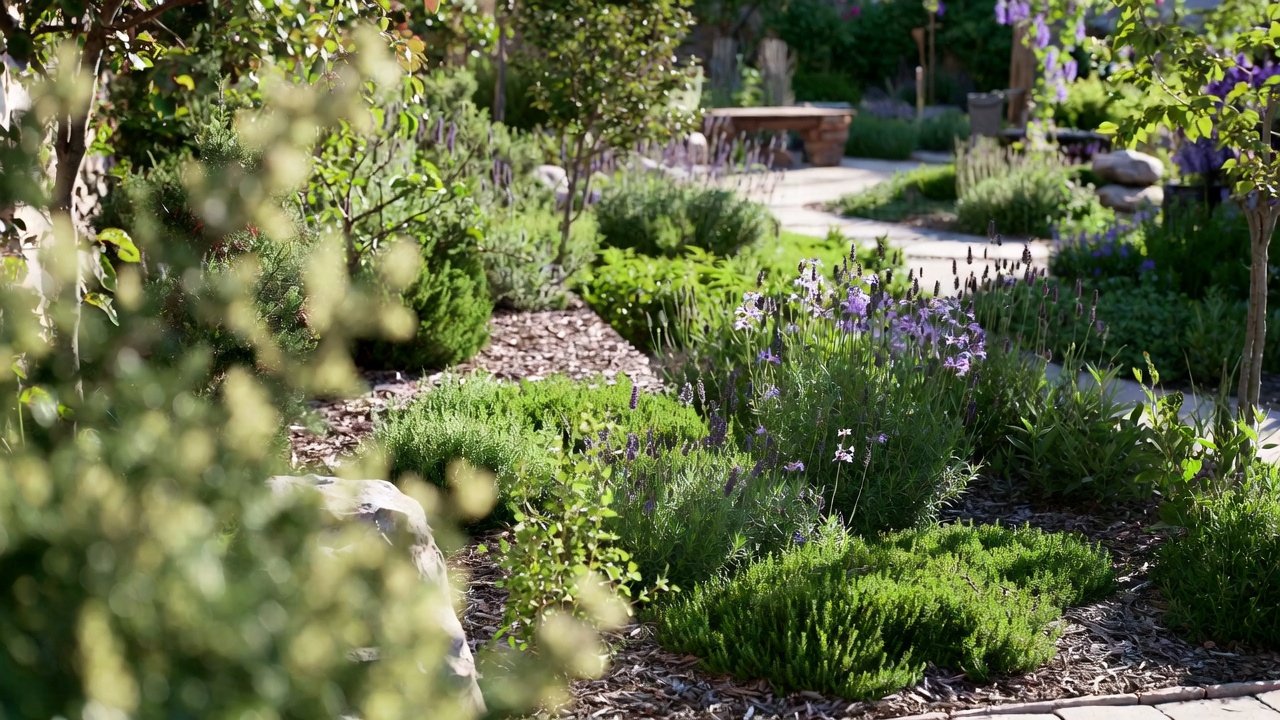
A low-maintenance garden is perfect for gardeners who want beauty without constant upkeep. By carefully planning plant selection, layout, and care techniques, you can create a sustainable garden that thrives with minimal effort.
This guide covers step-by-step strategies for designing low-maintenance gardens, including plant choices, soil preparation, irrigation, hardscaping, and seasonal care.
Step 1: Understand Your Garden Space
- Assess sunlight and shade: Identify sunny, partial, and shady areas.
- Check soil type: Sandy, clay, loam – this influences plant choice.
- Measure space: Create a scaled sketch for accurate planning.
- Identify microclimates: Heat, wind, and moisture variations.
Step 2: Plan Your Garden Layout
- Group plants with similar water and sunlight needs together.
- Use pathways and borders to reduce mowing and trimming.
- Include raised beds or containers for easier access and maintenance.
- Design focal points: water features, rocks, or shrubs that require minimal care.
Step 3: Choose Low-Maintenance Plants
1. Perennials
- Lavender, salvia, daylilies – bloom year after year.
- Require little pruning once established.
2. Drought-Tolerant Plants
- Sedum, lantana, agave – withstand heat and dry conditions.
- Reduce watering needs significantly.
3. Native Plants
- Adapted to local climate and soil.
- Resistant to pests and disease, reducing intervention.
4. Evergreen Shrubs
- Boxwood, holly, and juniper provide structure and year-round interest.
5. Groundcovers
- Creeping thyme, ajuga, or pachysandra reduce weeding and cover bare soil.
Step 4: Soil Preparation and Mulching
- Enrich soil with compost or organic matter to retain moisture.
- Apply 2–4 inches of mulch around plants to reduce weeds, conserve water, and stabilize soil temperature.
- Mulch should be kept slightly away from stems to prevent rot.
Step 5: Irrigation Systems
- Install drip irrigation or soaker hoses for targeted watering.
- Consider self-watering containers for pots and raised beds.
- Water early morning or late evening to reduce evaporation.
- Group plants with similar water requirements to simplify irrigation.
Step 6: Hardscaping for Low Maintenance
- Use paved pathways, gravel, or decking to reduce mowing and weeds.
- Incorporate rock gardens or decorative boulders for visual interest.
- Use raised beds to minimize bending and soil maintenance.
- Retaining walls or borders can control erosion and define planting zones.
Step 7: Minimal Pruning and Fertilizing
- Select plants that maintain natural shape with minimal pruning.
- Use slow-release organic fertilizers for steady growth.
- Avoid high-maintenance shrubs that require frequent trimming.
Step 8: Low-Maintenance Lawn Alternatives
- Replace traditional lawns with clover, ornamental grasses, or moss.
- Use groundcovers in shaded areas to reduce mowing.
- If using grass, choose drought-resistant varieties and mow higher to reduce water loss.
Step 9: Pest and Disease Management
- Choose pest-resistant plant varieties.
- Encourage beneficial insects like ladybugs and bees.
- Regularly inspect plants for early signs of disease.
- Use organic pest control methods to reduce chemical use.
Step 10: Seasonal Planning
- Include evergreen plants and perennials for year-round interest.
- Use succession planting to ensure continuous bloom with minimal replanting.
- Adjust irrigation and care depending on seasonal rainfall and temperatures.
Step 11: Container Gardening Tips
- Perfect for patios, balconies, and small spaces.
- Use large pots with self-watering systems for minimal attention.
- Choose compact or dwarf varieties that are easier to maintain.
- Group plants based on water and sun requirements.
Step 12: Vertical Gardening
- Utilize walls, trellises, or fences for climbing plants.
- Saves ground space and reduces weeding.
- Ideal for vegetables, herbs, and flowering vines with low-maintenance habits.
Step 13: Smart Plant Grouping
- Combine plants with similar light, water, and soil needs to simplify care.
- Use groundcovers under shrubs to prevent weeds.
- Group tall and short plants to create natural shade and microclimates.
Step 14: Frequently Asked Questions
Q1: Can a garden be completely maintenance-free?
- No garden is entirely maintenance-free, but low-maintenance gardens drastically reduce effort.
Q2: How often should I water low-maintenance plants?
- Depends on climate and soil, but deep, infrequent watering is ideal.
Q3: Can I mix perennials and annuals?
- Yes, perennials provide structure while annuals add seasonal color.
Q4: Are mulch and compost necessary?
- Yes, they retain moisture, improve soil, and reduce weeding.
Q5: Do low-maintenance plants attract pests?
- Choosing resistant varieties and encouraging beneficial insects minimizes issues.
Step 15: Final Thoughts
Designing a low-maintenance garden combines smart planning, plant selection, soil management, and irrigation strategies:
- Choose perennials, native, and drought-tolerant plants.
- Use mulch, compost, and efficient irrigation to reduce care.
- Incorporate hardscaping and container/vertical gardening for easy maintenance.
- Plan for year-round interest with smart seasonal planting.
With thoughtful design, your garden can look beautiful year-round while requiring minimal effort, making gardening enjoyable and stress-free.