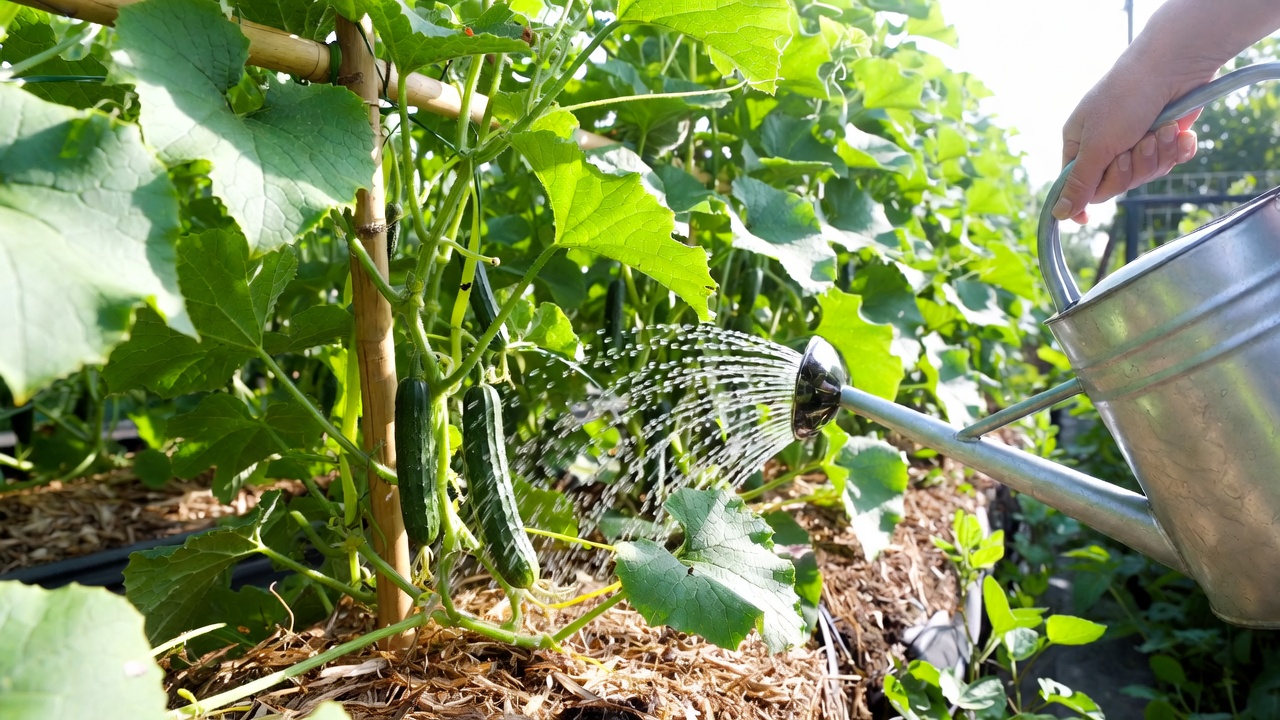
Cucumbers are a popular and refreshing vegetable that thrives in warm weather. Growing them organically not only produces healthier, chemical-free fruits but also supports sustainable gardening practices.
This guide covers how to grow cucumbers organically, including soil preparation, planting, care, natural pest control, and harvesting techniques, giving both beginner and experienced gardeners the tools to grow cucumbers successfully.
Step 1: Choose the Right Cucumber Variety
-
Slicing Cucumbers: Best for fresh eating; examples include ‘Marketmore’ and ‘Straight Eight.’
-
Pickling Cucumbers: Small, firm fruits suitable for pickling; examples include ‘Boston Pickling.’
-
Bush vs. Vining Varieties:
-
Bush types – Compact, good for containers or small spaces.
-
Vining types – Need trellis support, higher yield in larger gardens.
-
Step 2: Select the Perfect Location
-
Full sun – At least 6–8 hours of direct sunlight daily.
-
Well-drained soil to prevent root rot.
-
Avoid low spots prone to standing water.
-
Trellis or support structure for vining varieties improves air circulation and saves space.
Step 3: Prepare Organic Soil
-
Ideal soil pH: 6.0–7.0 (slightly acidic to neutral)
-
Mix compost or well-rotted manure for fertility.
-
Add organic matter: straw, leaf mold, or coconut coir.
-
Ensure loose, aerated soil for optimal root growth.
Step 4: Starting Seeds
-
Sow seeds indoors 3–4 weeks before last frost for early harvest.
-
Plant 2–3 seeds per small pot, ½ inch deep.
-
Keep soil consistently moist but not waterlogged.
-
Transplant seedlings after frost risk has passed.
Step 5: Direct Sowing Outdoors
-
Wait until soil temperature is above 60°F (16°C).
-
Space seeds 12–18 inches apart for bush types, 18–36 inches for vining types.
-
Thin seedlings to one plant per hole after 1–2 weeks.
Step 6: Watering Cucumbers
-
Deep watering at soil level 2–3 times per week depending on weather.
-
Avoid overhead watering to prevent fungal diseases.
-
Mulch with straw or leaves to retain soil moisture.
Step 7: Fertilizing Organically
-
Use compost tea or well-rotted manure for nitrogen.
-
Side-dress plants every 3–4 weeks with compost or organic granular fertilizer.
-
Avoid over-fertilizing with nitrogen → excessive leaf growth and fewer fruits.
Step 8: Supporting Vining Cucumbers
-
Trellis or cages keep fruits off the ground → reduce disease and pests.
-
Vertical growth improves airflow → prevents powdery mildew.
-
Use soft ties or garden twine to guide vines.
Step 9: Organic Pest Control
Common Pests
-
Aphids – Small sap-sucking insects.
-
Cucumber beetles – Damage leaves, stems, and fruits.
-
Spider mites – Cause yellowing and leaf damage.
Natural Solutions
-
Neem oil spray – Effective for aphids, mites, and beetles.
-
Insecticidal soap – Soft-bodied insects.
-
Companion planting – Nasturtiums, marigolds, or radishes repel pests.
-
Handpicking – Remove beetles or caterpillars manually.
-
Diatomaceous earth – Sprinkle around plants to deter crawling insects.
Step 10: Disease Management Organically
-
Powdery Mildew: Use baking soda spray or sulfur-based organic fungicides.
-
Downy Mildew: Ensure proper spacing and air circulation; avoid wetting leaves.
-
Fusarium Wilt: Rotate crops yearly; add compost to maintain healthy soil.
Step 11: Pollination Tips
-
Cucumbers require pollination to set fruit.
-
Encourage bees and beneficial insects by planting flowers nearby.
-
For indoor or covered gardens, hand-pollinate flowers using a soft brush or cotton swab.
Step 12: Harvesting Cucumbers
-
Pick cucumbers regularly to encourage continuous production.
-
Harvest slicing varieties at 6–8 inches; pickling types at 2–4 inches.
-
Use a sharp knife or scissors to avoid damaging the vine.
-
Avoid letting fruits over-mature → bitterness and reduced yield.
Step 13: Companion Planting for Cucumbers
-
Good companions: Beans, peas, corn, sunflowers, radishes, and marigolds.
-
Avoid: Potatoes and aromatic herbs that may attract pests or inhibit growth.
Step 14: Tips for Container Gardening
-
Use 5–10 gallon pots with drainage holes.
-
Use trellis or vertical supports for vining varieties.
-
Monitor soil moisture daily – containers dry faster than garden beds.
-
Fertilize more frequently as nutrients wash out faster.
Step 15: Seasonal Care
-
Spring: Start seeds indoors; prepare soil outdoors.
-
Summer: Regular watering, fertilizing, pest management.
-
Fall: Harvest remaining fruits; remove plants and compost debris.
-
Winter: Plan crop rotation and soil enrichment for next season.
Step 16: Troubleshooting Common Issues
-
Yellowing leaves: Overwatering, nutrient deficiency, or poor drainage.
-
Bitter fruits: Water stress or excessive heat → consistent watering helps.
-
Sparse flowers or fruits: Pollination issues or too much nitrogen.
-
Leaf curling or wilting: Aphid infestation, cucumber beetles, or powdery mildew.
Step 17: Sustainability Practices
-
Use rainwater collection for watering.
-
Reuse kitchen scraps as mulch or compost.
-
Practice crop rotation to reduce pests and diseases.
-
Avoid synthetic fertilizers or pesticides.
Step 18: Frequently Asked Questions
Q1: Can cucumbers be grown organically in containers?
-
Yes, bush varieties are ideal, use nutrient-rich soil, and trellis for vining types.
Q2: How long does it take for cucumbers to mature?
-
Generally 50–70 days from planting, depending on variety and growing conditions.
Q3: How do I prevent cucumber beetles organically?
-
Use neem oil, companion planting, and handpicking; keep garden clean.
Q4: How often should cucumbers be watered?
-
Deep watering 2–3 times per week; adjust for hot or dry weather.
Q5: Do cucumbers need full sun?
-
Yes, 6–8 hours of direct sunlight daily for optimal growth.
Step 19: Final Thoughts
Growing cucumbers organically is rewarding, sustainable, and produces healthier fruits. Key success factors include:
-
Choosing the right variety for your space
-
Preparing fertile, well-drained organic soil
-
Providing proper water, sunlight, and trellis support
-
Using natural pest and disease control
-
Regular harvesting to maintain productivity
By following these steps, gardeners can enjoy fresh, chemical-free cucumbers while promoting environmental sustainability and improving soil health.