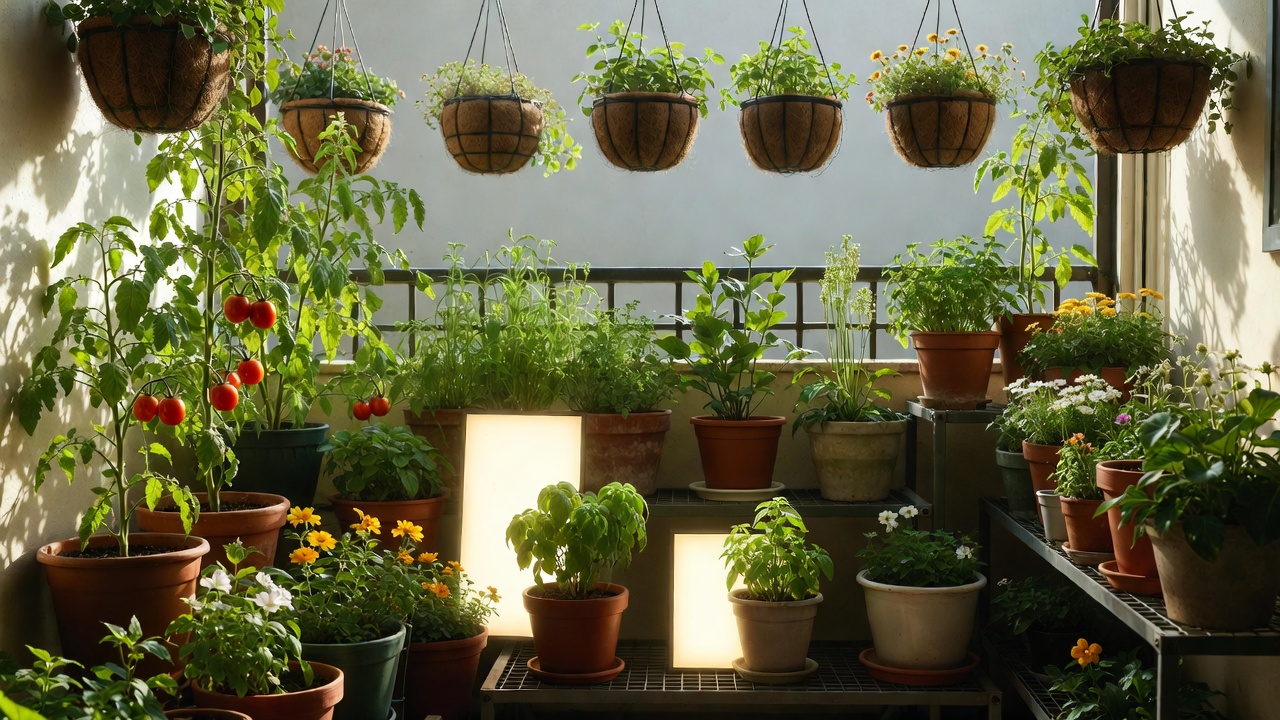
Balcony gardens are a growing trend in urban living, providing fresh herbs, vegetables, and vibrant flowers in limited spaces. However, limited sunlight is often the biggest challenge for balcony gardeners.
This guide covers how to maximize sunlight in a balcony garden with actionable tips, plant selection advice, layout strategies, and practical care techniques for small and large balconies. It addresses beginner and intermediate gardener questions while focusing on high-value, AdSense-friendly content.
Why Sunlight Matters in Balcony Gardening
Plants require sunlight for photosynthesis, which fuels growth, flowering, and fruiting. In a balcony garden:
-
Limited floor space reduces flexibility in plant placement.
-
Nearby buildings, walls, or awnings may block sunlight.
-
Sunlight intensity varies depending on orientation and season.
Maximizing sunlight ensures healthier plants, better yields, and vibrant greenery.
Step 1: Assess Your Balcony’s Sunlight
Determine Balcony Orientation
-
South-facing: Maximum sun exposure (6–8 hours daily). Best for vegetables and flowering plants.
-
East-facing: Morning sun, gentle light, ideal for leafy greens and herbs.
-
West-facing: Afternoon sun, hotter light; choose sun-tolerant plants.
-
North-facing: Limited direct sunlight; suitable for shade-tolerant plants.
Track Sunlight Patterns
-
Observe for 3–5 days at different times of day.
-
Identify shadows from walls, neighboring buildings, or railings.
-
Note the brightest areas for high-light plants like tomatoes and peppers.
Step 2: Use Reflective Surfaces to Increase Light
Mirrors and White Walls
-
Place mirrors strategically to reflect light onto shaded areas.
-
White walls or light-colored surfaces bounce sunlight, brightening the balcony.
Reflective Planter Bases
-
Use aluminum trays or reflective tiles under pots to increase light.
-
Helps plants on the lower shelves or corners receive indirect light.
Step 3: Optimize Plant Placement
Place Sun-Loving Plants First
-
Position plants needing the most light in the brightest areas.
-
Examples: tomatoes, peppers, petunias, geraniums.
Shade-Tolerant Plants for Corners
-
Fit ferns, pothos, ivy, and begonias in shaded corners.
-
Ensure airflow to prevent mildew or rot.
Layered Arrangements
-
Use shelves or plant stands to allow lower plants to benefit from reflected light.
-
Avoid overcrowding, as dense foliage shades smaller plants.
Step 4: Use Vertical Gardening
Hanging Baskets
-
Trailing plants in hanging baskets capture sunlight at higher levels.
-
Frees floor space while ensuring more light reaches the canopy.
Wall-Mounted Planters
-
Grow herbs and small vegetables vertically on walls.
-
Helps capture morning and afternoon sun while using minimal space.
Trellises for Climbing Plants
-
Train tomatoes, cucumbers, or beans along trellises.
-
Vertical growth prevents shading of other plants.
Step 5: Prune and Maintain Plants
Pruning Benefits
-
Removes lower leaves that block sunlight.
-
Improves airflow and reduces disease risk.
-
Ensures light reaches inner leaves and smaller plants.
Deadheading and Trimming
-
Regular removal of dead flowers encourages new growth.
-
Keeps plants compact and light-efficient.
Step 6: Use Light-Optimized Containers
Color of Planters
-
Light-colored pots reflect sunlight onto plants.
-
Dark pots absorb heat and may overheat roots in summer.
Material Choice
-
Plastic or ceramic containers retain moisture and moderate heat.
-
Terracotta is breathable but can dry soil quickly; monitor watering.
Step 7: Moveable Containers
-
Use wheels, trays, or lightweight pots to reposition plants throughout the day.
-
Rotate plants weekly to ensure all sides receive equal light.
-
Seasonal adjustments: move plants closer to sun in winter and shade in peak summer.
Step 8: Grow Light Supplements
When Natural Sunlight Isn’t Enough
-
Use LED grow lights with full-spectrum settings for shaded balconies.
-
Set timer for 6–8 hours of light per day for sun-loving plants.
Tips:
-
Mount lights above plants, simulating natural sunlight.
-
Use energy-efficient LEDs to save cost.
Step 9: Choose the Right Plants for Sunlight Conditions
Full Sun (6–8 hours)
-
Tomatoes, peppers, eggplants
-
Petunias, geraniums, marigolds
Partial Sun (3–6 hours)
-
Basil, parsley, spinach, lettuces
-
Impatiens, begonias
Shade (<3 hours)
-
Ferns, ivy, philodendron, pothos
-
Caladium, coleus
Step 10: Seasonal Adjustments
-
Summer: Protect from harsh afternoon sun with light shades or shade cloth.
-
Winter: Move containers closer to sunlight and reflective surfaces.
-
Spring/Fall: Rotate and prune to maximize growth during moderate light conditions.
Step 11: Use Soil and Mulch Strategically
Light-Reflective Mulch
-
White or light-colored mulch increases light reflection around plant base.
Soil Moisture Retention
-
Well-draining potting mix keeps roots healthy in higher sun exposure.
-
Retains moisture, prevents plant stress in intense sunlight.
Step 12: Balcony Layout Tips
Compact Arrangements
-
Use plant stands or tiered shelving.
-
Place sun-loving plants on the top tier and shade-tolerant plants below.
Hanging Cluster
-
Hang trailing plants in groups to capture maximum light.
Movable Zones
-
Allocate zones for rotation: sun zone, shade zone, vertical zone.
Step 13: Watering in Sunlight-Intensive Areas
-
Pots in direct sun dry faster; monitor moisture daily.
-
Water early morning or late afternoon to reduce evaporation.
-
Use drip trays or self-watering containers if balcony lacks drainage.
Step 14: Pest and Disease Management in Sunlight-Exposed Areas
-
Sunlight reduces some fungal risks but can attract pests.
-
Inspect plants regularly for aphids, spider mites, and whiteflies.
-
Use neem oil or organic sprays as preventative measures.
Step 15: Maintenance Checklist for Maximum Sunlight
-
Track sunlight zones throughout the day.
-
Adjust plant placement based on growth and sun path.
-
Prune lower leaves and dead branches.
-
Rotate plants weekly.
-
Check containers, soil moisture, and drainage.
-
Supplement with grow lights if necessary.
Frequently Asked Questions
How can I increase sunlight in a north-facing balcony?
-
Use reflective surfaces, light-colored walls, and mirrors.
-
Grow shade-tolerant plants or supplement with LED grow lights.
Can vertical gardening help with sunlight?
-
Yes, it elevates plants to capture more sun, freeing floor space.
How often should I rotate balcony plants?
-
Weekly rotation ensures all sides receive equal sunlight exposure.
What plants need full sun in balcony gardens?
-
Tomatoes, peppers, eggplants, marigolds, petunias.
How to prevent overheating in small balconies?
-
Use light-colored pots, shade cloths, and proper watering techniques.
Final Thoughts
Maximizing sunlight in a balcony garden requires:
-
Understanding your balcony’s orientation and sunlight patterns
-
Smart placement of plants and containers
-
Using reflective surfaces and vertical arrangements
-
Pruning, rotating, and supplemental grow lighting
-
Choosing plants suited to light conditions
With proper planning, even a shaded or small balcony can support a thriving garden full of vegetables, herbs, and flowering plants. Strategic use of sunlight turns limited urban spaces into vibrant green retreats.