
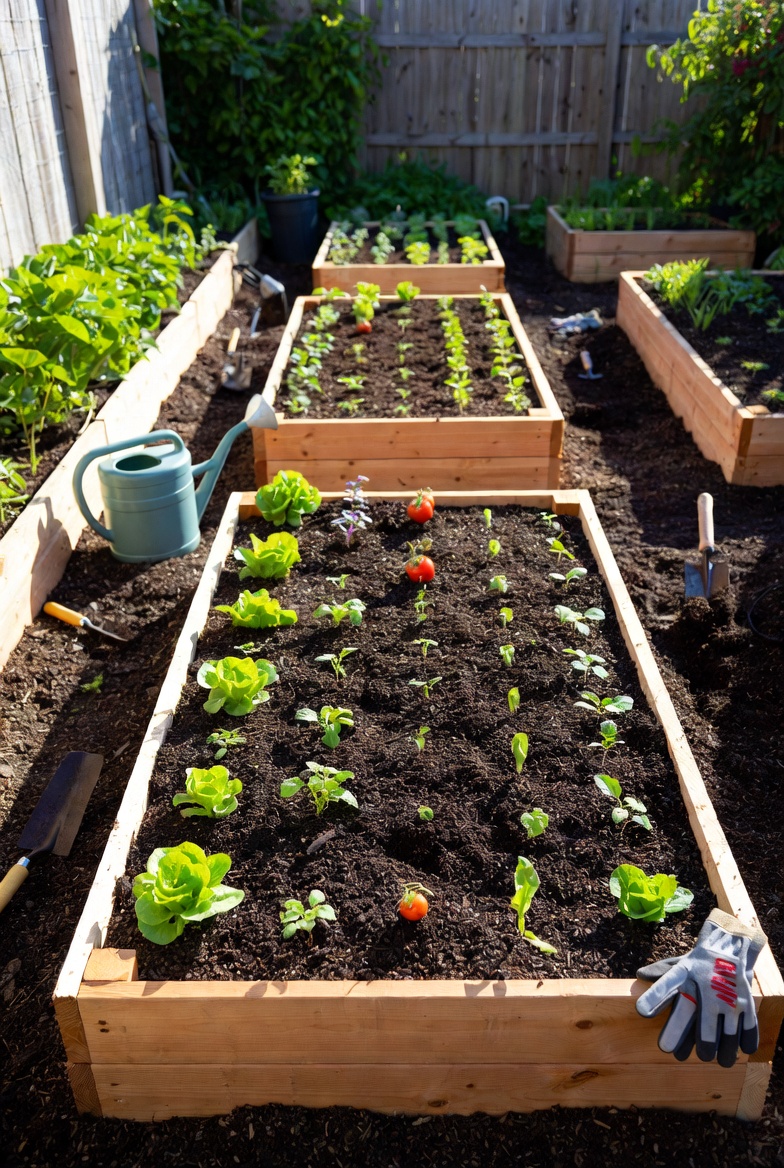
Starting an organic vegetable garden from scratch is one of the most practical ways to grow healthy food, reduce grocery costs, and control what goes into your meals.
This guide answers all search intent behind “How to Start an Organic Vegetable Garden from Scratch”, including:
-
How to choose the right location
-
How to prepare organic soil
-
What vegetables to start with
-
How to compost
-
Natural pest control methods
-
Watering and fertilizing organically
-
Beginner mistakes to avoid
No fluff. Just actionable steps.
1. Understand What “Organic” Really Means
Before planting, define organic gardening:
Organic vegetable gardening means:
-
No synthetic fertilizers
-
No chemical pesticides or herbicides
-
No GMO seeds
-
Focus on soil health and biodiversity
Core principle: Healthy soil = healthy plants.
2. Choose the Right Location
Vegetables need sunlight.
Requirements:
-
Minimum 6–8 hours direct sunlight daily
-
Good air circulation
-
Easy access to water
-
Flat or slightly sloped area
Avoid:
-
Areas near large trees (root competition)
-
Poor drainage zones
-
Heavy shade
If space is limited, raised beds or containers work.
3. Start Small (Beginner Rule)
Do not start too big.
Ideal beginner size:
-
2–4 raised beds (4×4 feet each)
OR -
10–15 container pots
Starting small prevents overwhelm and improves success rate.
4. Test and Improve Your Soil
Soil is the foundation.
Step 1: Check Soil Type
Grab a handful of moist soil:
-
Sandy → falls apart
-
Clay → sticky and dense
-
Loamy → crumbly and ideal
Loamy soil is best.
Step 2: Improve Soil Organically
Add:
-
Compost (primary nutrient source)
-
Aged manure
-
Worm castings
-
Coco peat for aeration
-
Mulch for moisture retention
Ideal soil mix:
-
40% garden soil
-
40% compost
-
20% organic matter (peat/perlite)
Never use chemical fertilizers.
5. Build Raised Beds (Optional but Recommended)
Raised beds:
-
Improve drainage
-
Prevent soil compaction
-
Reduce weeds
-
Warm up faster
Standard size:
-
Width: 4 feet
-
Height: 8–12 inches
Use untreated wood or bricks.
6. Choose Easy Organic Vegetables for Beginners
Start with low-maintenance crops.
Best Beginner Vegetables:
-
Lettuce
-
Spinach
-
Radishes
-
Green onions
-
Tomatoes
-
Peppers
-
Zucchini
-
Bush beans
-
Carrots
-
Cucumbers
Choose seasonal crops suitable for your climate.
7. Buy Organic or Heirloom Seeds
Look for:
-
Certified organic seeds
-
Non-GMO labels
-
Open-pollinated varieties
Why?
Heirloom seeds:
-
Adapt better
-
Save seeds for next season
-
Produce richer flavor
Avoid hybrid seeds if you want seed saving.
8. Plan Your Garden Layout
Use spacing guidelines.
Example:
-
Tomatoes: 18–24 inches apart
-
Lettuce: 8–10 inches
-
Peppers: 12–18 inches
-
Carrots: 2–3 inches
Do not overcrowd.
Use companion planting:
-
Tomatoes + basil
-
Carrots + onions
-
Cabbage + dill
Avoid planting same family in same spot yearly (crop rotation).
9. Start Composting Immediately
Compost is your organic fertilizer.
What to Compost:
Green materials:
-
Vegetable scraps
-
Coffee grounds
-
Grass clippings
Brown materials:
-
Dry leaves
-
Cardboard
-
Straw
Ratio:
-
2 parts brown
-
1 part green
Turn compost every 1–2 weeks.
Ready in 2–3 months.
10. Water Properly (Organic Rule)
Overwatering causes root rot.
Watering principles:
-
Early morning watering
-
Deep watering 2–3 times weekly
-
Check soil moisture before watering
-
Avoid wetting leaves
Use mulch to reduce evaporation.
11. Use Natural Pest Control
Do NOT use chemical pesticides.
Instead use:
-
Neem oil spray
-
Garlic spray
-
Soap solution
-
Companion planting
-
Handpicking insects
-
Introduce ladybugs
Healthy soil reduces pest problems.
12. Mulch Everything
Mulch benefits:
-
Prevents weeds
-
Keeps soil cool
-
Retains moisture
-
Adds nutrients
Use:
-
Straw
-
Dry leaves
-
Grass clippings
Apply 2–3 inches thick.
13. Organic Fertilizing Schedule
Every 3–4 weeks:
-
Add compost around plants
-
Use compost tea
-
Add worm castings
For fruiting vegetables:
-
Add extra phosphorus and potassium (bone meal, wood ash)
Avoid over-fertilizing.
14. Control Weeds Naturally
Methods:
-
Mulching
-
Hand pulling
-
Hoeing early
-
Ground cover crops
Never use herbicides.
Weeds compete for nutrients.
15. Practice Crop Rotation
Do not plant the same vegetable family in same location yearly.
Example families:
-
Nightshade (tomatoes, peppers)
-
Leafy greens
-
Root vegetables
-
Legumes
Rotate yearly to prevent soil depletion and disease buildup.
16. Harvest Correctly
Harvest regularly to encourage growth.
Examples:
-
Lettuce: Cut outer leaves
-
Beans: Pick frequently
-
Tomatoes: Harvest when fully colored
-
Zucchini: Pick small and tender
Regular harvesting increases yield.
17. Common Beginner Mistakes
Avoid these:
-
Planting too early
-
Overwatering
-
Overcrowding
-
Ignoring soil health
-
Using synthetic fertilizers
-
Not researching climate zone
Organic gardening requires patience.
18. Can You Start an Organic Garden in Containers?
Yes.
Container rules:
-
Minimum 10–12 inch depth
-
Drainage holes required
-
Use high-quality organic potting mix
-
Fertilize more frequently
Best container crops:
-
Tomatoes
-
Peppers
-
Lettuce
-
Herbs
-
Bush beans
19. Estimated Cost to Start
Budget estimate:
-
Seeds: $20–40
-
Soil & compost: $50–100
-
Raised beds: $100–200
-
Tools: $50
Total beginner setup: $150–300
Costs decrease in following seasons.
20. How Long Until You See Results?
Fast crops:
-
Radishes (30 days)
-
Lettuce (30–45 days)
Medium crops:
-
Beans (50–60 days)
Slow crops:
-
Tomatoes (70–90 days)
You can harvest within the first month.
Organic Gardening Success Checklist
✔ 6+ hours sunlight
✔ Compost added
✔ Mulch applied
✔ Proper spacing
✔ Natural pest control
✔ Regular watering
✔ Crop rotation planned
Follow this checklist and success rate increases significantly.
Final Thoughts
Starting an organic vegetable garden from scratch is not complicated.
It requires:
-
Proper soil preparation
-
Smart crop selection
-
Natural pest management
-
Consistent care
Start small. Improve soil. Compost regularly. Avoid chemicals.
Within one season, you’ll harvest clean, chemical-free vegetables grown by you.