Starting an organic vegetable garden from scratch may feel overwhelming, but it’s a structured process. If you follow the correct steps in the right order, you can grow healthy, chemical-free food even as a complete beginner.
This guide answers all search intent around:
- Where to start
- What tools you need
- How to prepare soil organically
- What vegetables to plant first
- How to control pests naturally
- How to maintain your garden long-term
No fluff. Just the complete beginner blueprint.
What Is an Organic Vegetable Garden?
An organic vegetable garden grows food without synthetic fertilizers, pesticides, or chemical herbicides.
Organic gardening focuses on:
- Natural compost and fertilizers
- Soil health
- Crop rotation
- Biological pest control
- Sustainable practices
The foundation is healthy soil, not chemicals.
Step 1: Choose the Right Location
Success starts with placement.
Sunlight Requirements
Most vegetables need:
- 6–8 hours of direct sunlight daily
Leafy greens:
- Can tolerate 4–5 hours
Observe your space for 2–3 days before planting.
Good Location Checklist
- Full sun exposure
- Access to water
- Good air circulation
- Protection from strong winds
- Well-draining ground
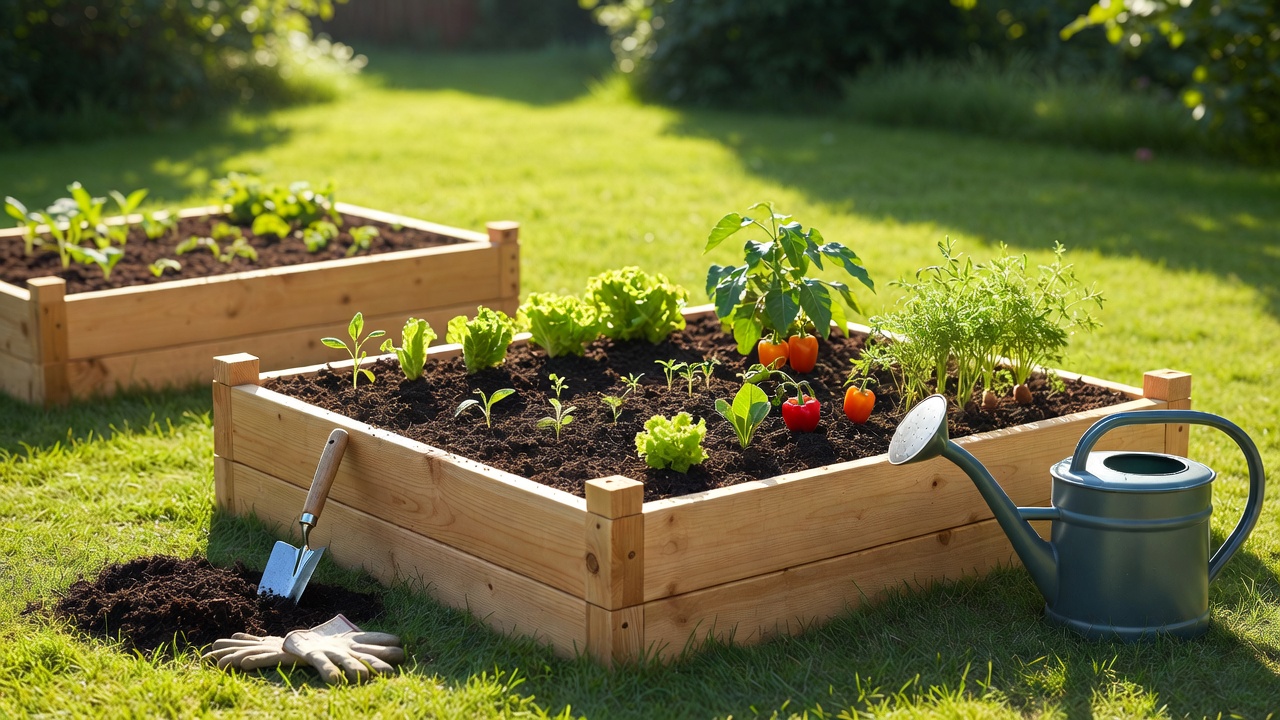
If you lack yard space, raised beds or large containers work equally well.
Step 2: Decide Between Ground, Raised Beds, or Containers
In-Ground Gardening
Best for:
- Larger spaces
- Lower startup cost
- Long-term gardening
Raised Beds
Best for:
- Poor soil areas
- Better drainage control
- Fewer weeds
Containers
Best for:
- Small spaces
- Balconies
- Beginners testing the process
For beginners, raised beds are often the easiest balance between control and productivity.
Step 3: Build Healthy Organic Soil (Most Important Step)
Organic gardening is 80% soil preparation.
Ideal Soil Characteristics
- Loose and crumbly texture
- Rich in organic matter
- Good drainage
- Earthworm presence
How to Prepare Soil from Scratch
- Remove weeds and debris.
- Loosen soil 8–12 inches deep.
- Add 2–3 inches of compost.
- Mix thoroughly.
- Let soil rest 1–2 weeks before planting.
Step 4: Make or Buy Organic Compost
Compost is your natural fertilizer.
What You Can Compost
Greens (Nitrogen):
- Vegetable scraps
- Coffee grounds
- Grass clippings
Browns (Carbon):
- Dry leaves
- Cardboard
- Straw
Simple Compost Ratio
- 2 parts brown
- 1 part green
Turn pile every 2–3 weeks.
If you want convenience, buy certified organic compost from a garden center.
Step 5: Choose Beginner-Friendly Vegetables
Start simple. Avoid complex crops early on.
Easiest Organic Vegetables for Beginners
- Lettuce
- Spinach
- Radishes
- Green beans
- Zucchini
- Tomatoes (cherry varieties)
- Carrots
- Peppers
Choose vegetables suited to your climate and season.
Step 6: Start with Seeds or Seedlings?
Seeds
Pros:
- Cheaper
- More variety
Cons:
- Slower start
- Requires more attention
Seedlings (Transplants)
Pros:
- Faster harvest
- Easier for beginners
Cons:
- Slightly more expensive
Beginner recommendation:
- Start leafy greens from seeds
- Buy tomato and pepper seedlings
Step 7: Understand Organic Fertilizers
Organic fertilizers release nutrients slowly.
Common options:
- Compost
- Worm castings
- Fish emulsion
- Bone meal
- Seaweed extract
Apply:
- Every 3–4 weeks during growing season
Avoid over-fertilizing. Organic systems rely on balance.
Step 8: Water Correctly
Overwatering is the #1 beginner mistake.
Best Practices:
- Water deeply, not frequently
- Early morning watering is ideal
- Check soil moisture 2 inches deep
- Use mulch to retain moisture
Vegetables typically need:
- 1–1.5 inches of water per week
Step 9: Use Mulch
Mulch improves organic systems significantly.
Benefits:
- Retains moisture
- Reduces weeds
- Regulates soil temperature
- Improves soil as it decomposes
Organic mulch options:
- Straw
- Wood chips
- Grass clippings
- Shredded leaves
Apply 2–3 inches thick.
Step 10: Practice Natural Pest Control
Organic gardening does not mean pest-free. It means chemical-free control.
Prevention First
- Healthy soil
- Crop rotation
- Proper spacing
- Good airflow
Natural Pest Control Methods
- Neem oil spray
- Insecticidal soap
- Hand-picking insects
- Companion planting
- Introducing beneficial insects
Ladybugs and lacewings control aphids naturally.
Step 11: Plan Proper Spacing
Overcrowding causes:
- Disease
- Weak growth
- Low yields
Always follow seed packet spacing instructions.
Airflow reduces fungal problems significantly.
Step 12: Rotate Crops Each Season
Crop rotation prevents:
- Soil nutrient depletion
- Pest buildup
- Disease cycles
Example:
- Year 1: Tomatoes
- Year 2: Beans
- Year 3: Leafy greens
Never plant the same family in the same spot yearly.
Step 13: Create a Simple Garden Layout
Beginner layout example (4×8 ft bed):
Row 1: Lettuce
Row 2: Carrots
Row 3: Beans
Back row: Tomatoes with stakes
Place taller crops at the back to prevent shading.
Step 14: Understand Organic Weed Control
Weeds compete for nutrients.
Organic solutions:
- Mulching
- Hand pulling
- Hoeing early
- Dense planting
Never let weeds go to seed.
Step 15: Harvest at the Right Time
Harvesting regularly:
- Encourages more production
- Prevents overripening
- Reduces pest attraction
Examples:
- Pick lettuce outer leaves early
- Harvest zucchini small
- Pick beans frequently
Tools You Actually Need (Minimal Setup)
Beginner tool list:
- Hand trowel
- Pruning shears
- Watering can or hose
- Garden gloves
- Compost bin
- Mulch material
Avoid overbuying equipment early.
Common Beginner Mistakes to Avoid
- Planting too much at once
- Ignoring sunlight needs
- Poor soil preparation
- Overwatering
- No pest monitoring
- Skipping mulch
- Not rotating crops
Focus on soil and consistency.
Seasonal Planning Basics
Spring
- Leafy greens
- Radishes
- Peas
Summer
- Tomatoes
- Peppers
- Cucumbers
- Zucchini
Fall
- Spinach
- Kale
- Carrots
Match crops to temperature.
Organic Gardening Cost Breakdown (Beginner Estimate)
Raised bed: $80–150
Soil & compost: $50–100
Seeds: $20–40
Tools: $50
Total startup: $200–300 (varies by region)
Costs decrease in future seasons.
Frequently Asked Questions
Is organic gardening harder than conventional?
Initially, yes. Long-term, it becomes easier as soil improves.
How long before I see results?
Leafy greens: 30 days
Tomatoes: 60–80 days
Can I grow organic vegetables in containers?
Yes. Use organic potting mix and compost.
Do I need certification?
No, unless selling commercially.
Beginner Organic Garden Blueprint Summary
- Choose sunny location
- Decide ground, raised bed, or container
- Build rich organic soil
- Add compost
- Choose easy vegetables
- Water properly
- Mulch consistently
- Control pests naturally
- Rotate crops
- Harvest regularly
Organic gardening is a system, not a shortcut.
Focus on soil health, and everything else improves.