Introduction
Gardening enthusiasts and home growers increasingly prefer natural fertilizers over chemical alternatives. Not only are they eco-friendly, but they also enrich soil health, improve plant growth, and reduce exposure to harmful chemicals.
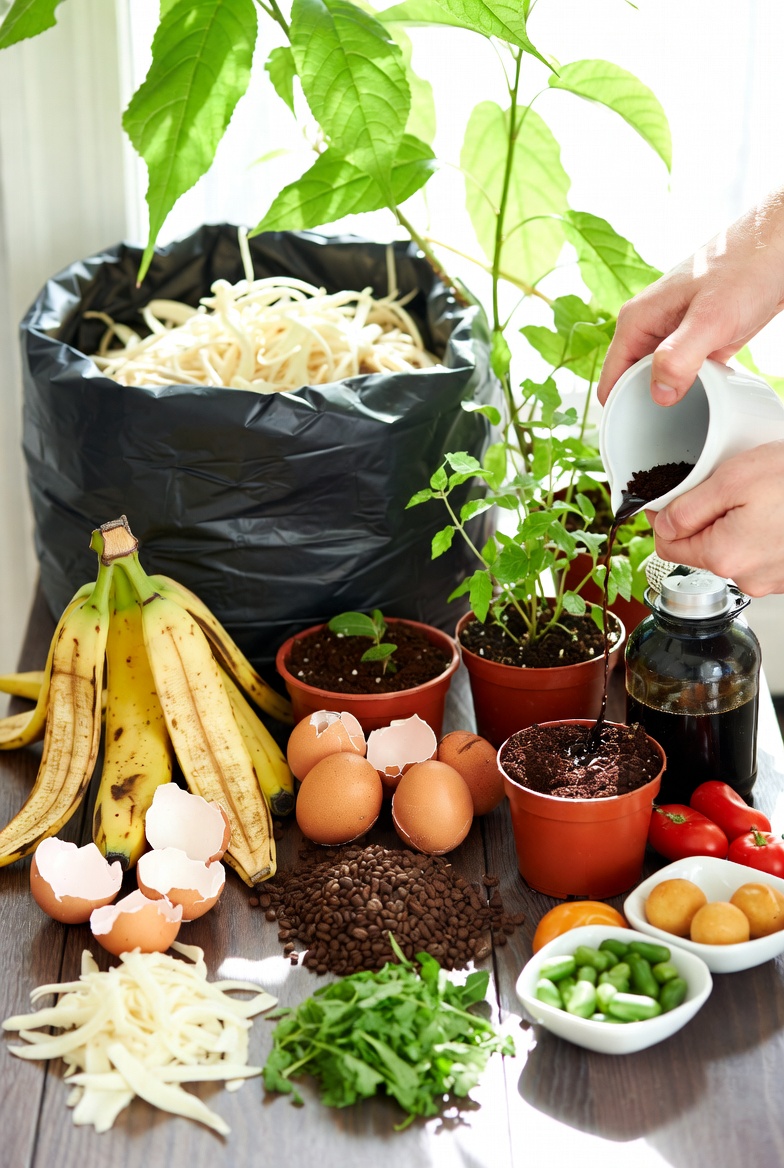
This guide explains natural fertilizers you can make at home, including kitchen scraps, garden waste, and simple DIY recipes. Whether you have a backyard garden, balcony plants, or indoor potted plants, these fertilizers help your plants thrive safely, sustainably, and cost-effectively.
1. Why Use Natural Fertilizers?
-
Environmentally Friendly: Reduce chemical runoff and soil contamination.
-
Cost-Effective: Uses items you already have at home.
-
Improves Soil Health: Enhances microbial activity and nutrient availability.
-
Safe for Edibles: Ideal for fruits, vegetables, and herbs.
-
Long-Term Benefits: Promotes strong root systems and sustainable plant growth.
Using natural fertilizers is a win-win for both plants and the planet.
2. Kitchen Scraps as Fertilizers
Many common kitchen items are nutrient-rich and perfect for plants.
2.1 Banana Peels
-
Nutrients: Potassium, phosphorus, calcium
-
Use: Chop and bury near plant roots or soak in water to make a “banana peel tea.”
-
Best For: Flowering plants, tomatoes, and peppers
2.2 Coffee Grounds
-
Nutrients: Nitrogen
-
Use: Sprinkle used grounds directly into soil or mix with compost.
-
Best For: Acid-loving plants like azaleas, blueberries, and roses
2.3 Eggshells
-
Nutrients: Calcium
-
Use: Crush shells and mix into soil to prevent blossom-end rot in tomatoes and peppers.
-
Best For: Vegetables prone to calcium deficiency
2.4 Vegetable Peelings
-
Nutrients: Varies based on vegetable
-
Use: Chop and compost for a nutrient-rich addition to soil.
-
Best For: All-purpose soil enrichment
3. Homemade Liquid Fertilizers
Liquid fertilizers are fast-acting and easy to apply.
3.1 Compost Tea
-
Ingredients: Well-rotted compost, water
-
Method: Steep compost in water for 24–48 hours, strain, and use as liquid fertilizer.
-
Benefits: Boosts microbial activity, provides balanced nutrients
3.2 Banana Peel Tea
-
Ingredients: 1 banana peel, 1 liter of water
-
Method: Blend or soak banana peel in water overnight, pour around plant base.
-
Benefits: Adds potassium and phosphorus to flowering and fruiting plants
3.3 Coffee Ground Tea
-
Ingredients: 2 tablespoons of used coffee grounds, 1 liter of water
-
Method: Boil briefly, let cool, water plants with the liquid
-
Benefits: Provides nitrogen, improves soil acidity for acid-loving plants
4. Composting at Home
Composting transforms organic waste into nutrient-rich soil fertilizer.
-
Materials: Fruit and vegetable scraps, coffee grounds, eggshells, yard waste
-
Method:
-
Layer greens (nitrogen-rich) and browns (carbon-rich) in a compost bin.
-
Maintain moisture and turn the pile weekly for aeration.
-
After 2–3 months, dark, crumbly compost is ready to use.
-
-
Benefits: Improves soil structure, retains moisture, and enhances nutrient content
Composting is the backbone of natural fertilization, providing a continuous supply of organic nutrients.
5. Manure-Based Fertilizers
Animal manure is nutrient-dense but must be used correctly:
5.1 Cow Manure
-
Benefits: Balanced nitrogen, phosphorus, potassium (NPK) content
-
Use: Apply after composting to prevent burning plant roots
5.2 Chicken Manure
-
Benefits: High nitrogen content
-
Use: Compost before use, ideal for leafy greens
5.3 Vermicompost (Worm Castings)
-
Benefits: Rich in nutrients and beneficial microbes
-
Use: Mix into potting soil or use as top-dressing for indoor and outdoor plants
Always ensure manure is well-composted to avoid pathogens and excessive nitrogen.
6. Natural Fertilizer Powders
Powdered natural fertilizers are easy to store and use.
-
Wood Ash: Provides potassium and calcium; ideal for acidic soils.
-
Rock Dust: Supplies trace minerals like magnesium, iron, and zinc.
-
Neem Cake Powder: Improves soil fertility and prevents pests.
Sprinkle lightly and mix into soil during planting or as a top-dressing.
7. DIY Fertilizer Recipes
7.1 Eggshell & Coffee Powder Fertilizer
-
Crush eggshells and mix with used coffee grounds
-
Sprinkle around vegetable plants to provide calcium and nitrogen
7.2 Banana Peel & Water Fertilizer
-
Blend banana peel with 1 liter of water
-
Apply as liquid fertilizer to flowering plants
7.3 Vegetable Scrap Compost Tea
-
Add vegetable scraps to a jar of water for 24 hours
-
Strain and water plants for a nutrient boost
7.4 Manure & Compost Mix
-
Combine cow or chicken manure with compost
-
Apply as top-dressing for vegetables and fruit trees
These recipes are safe, beginner-friendly, and effective for all types of plants.
8. Tips for Using Natural Fertilizers
-
Test Soil First: Know what nutrients your soil needs to avoid over-fertilization.
-
Apply Moderately: Excessive natural fertilizers can still harm plants.
-
Rotate Fertilizers: Alternate between compost, liquid teas, and manure for balanced nutrition.
-
Observe Plant Response: Adjust frequency and quantity based on plant health.
-
Use Organic Mulch: Retains moisture and gradually adds nutrients.
9. Benefits of Making Fertilizers at Home
-
Cost Savings: Reduce expenses on commercial fertilizers.
-
Waste Reduction: Reuse kitchen and garden waste effectively.
-
Sustainability: Eco-friendly approach that reduces chemical dependency.
-
Healthier Plants: Natural nutrients enhance soil structure and plant immunity.
Home-made fertilizers create a sustainable and eco-conscious gardening cycle.
10. Common Mistakes to Avoid
-
Using fresh manure directly on plants
-
Overwatering after applying liquid fertilizers
-
Ignoring plant-specific nutrient needs
-
Overcompacting compost, reducing aeration
-
Using spoiled kitchen scraps with mold or pests
Awareness of these mistakes ensures your natural fertilizers are safe and effective.
11. Step-by-Step Checklist for Beginners
-
Collect kitchen scraps and garden waste.
-
Choose the fertilizer type: compost, liquid, manure, or powder.
-
Prepare compost or DIY fertilizer recipes.
-
Test your soil for nutrient requirements.
-
Apply fertilizer according to plant type and growth stage.
-
Monitor plant growth and adjust application frequency.
-
Rotate natural fertilizers to maintain soil balance.
-
Enjoy healthier, more productive plants!
Conclusion
Making natural fertilizers at home is simple, cost-effective, and eco-friendly. By using kitchen scraps, compost, manures, and DIY recipes, you can nourish your plants naturally, improve soil health, and reduce reliance on chemicals.
Whether you’re growing vegetables, fruits, herbs, or ornamental plants, home-made fertilizers provide balanced nutrients, sustainability, and healthier growth. Start today and turn your garden into a lush, thriving, chemical-free oasis.
Take the first step: collect scraps, prepare your DIY fertilizers, and watch your plants flourish naturally!