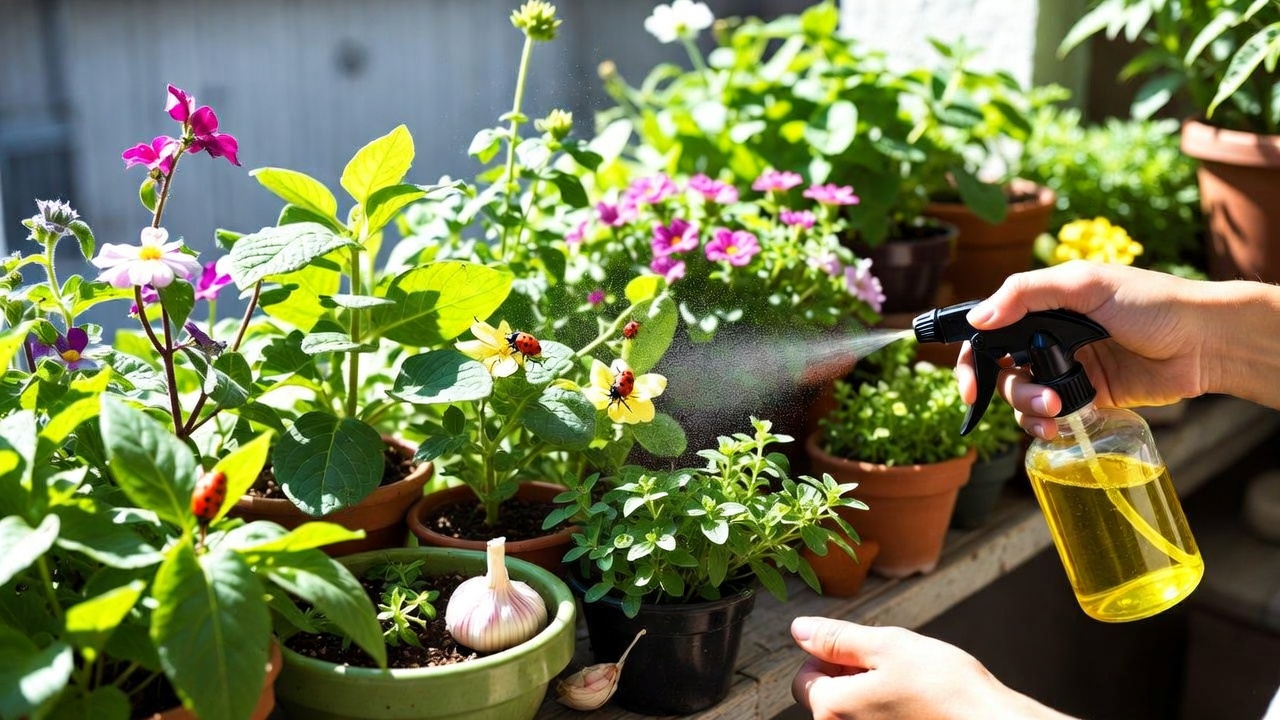
Pest problems are one of the biggest challenges for gardeners, but chemical pesticides can harm the environment, pollinators, and even humans. Organic pest control offers safe, effective alternatives that protect your plants without introducing toxic chemicals.
This guide covers organic pest control methods that actually work, including preventive strategies, natural remedies, biological solutions, and practical tips for both indoor and outdoor gardens.
Why Organic Pest Control Matters
-
Environmentally Friendly – Reduces chemical runoff and protects soil and water quality.
-
Safe for Humans and Pets – Non-toxic methods keep your family and pets safe.
-
Protects Beneficial Insects – Pollinators like bees and predatory insects thrive.
-
Sustainable Gardening – Reduces chemical dependency and improves soil health.
Step 1: Identify Common Garden Pests
Understanding what you’re dealing with is crucial before applying any treatment.
Common Garden Pests
-
Aphids – Tiny sap-sucking insects
-
Spider Mites – Cause yellowing leaves
-
Whiteflies – Small flying insects that damage crops
-
Slugs and Snails – Eat leaves and stems
-
Caterpillars – Chew through foliage
-
Mealybugs – Cotton-like clusters on stems and leaves
-
Scale Insects – Hard-shelled pests on stems and leaves
Step 2: Preventive Measures
Prevention is always easier than treatment.
-
Healthy Soil: Use organic compost and balanced fertilizers to strengthen plants.
-
Proper Spacing: Avoid overcrowding to improve airflow and reduce humidity, which attracts pests.
-
Cleanliness: Remove dead leaves, debris, and fallen fruits regularly.
-
Crop Rotation: Prevent pests from settling by rotating plants yearly.
-
Mulching: Organic mulch discourages pests like slugs and retains soil moisture.
Step 3: Physical Pest Control Methods
1. Handpicking
-
Effective for larger pests like caterpillars and slugs.
-
Wear gloves and remove pests early in the morning or evening.
2. Barriers
-
Copper tape for slugs and snails.
-
Row covers to protect seedlings from flying insects.
-
Sticky traps for flying pests.
3. Water Spray
-
Strong jet of water can dislodge aphids and mites.
-
Repeat every few days for severe infestations.
Step 4: Organic Sprays and Homemade Remedies
1. Neem Oil Spray
-
Natural insecticide that targets aphids, whiteflies, spider mites, and scale insects.
-
Mix 2 tsp neem oil with 1 quart of water + a few drops of mild soap. Spray leaves thoroughly.
2. Insecticidal Soap
-
Soap solution (mild liquid soap + water) removes soft-bodied pests.
-
Spray directly on pests; avoid spraying in direct sunlight.
3. Garlic and Chili Spray
-
Blend garlic cloves and chili peppers with water, strain, and spray on plants.
-
Repels aphids, caterpillars, and beetles.
4. Diatomaceous Earth
-
Powdered fossilized algae sprinkled on soil or leaves.
-
Abrasive to insects like slugs, aphids, and beetles.
-
Safe for humans and pets.
5. Horticultural Oils
-
Mineral or vegetable oils suffocate pests on contact.
-
Works against mites, scales, and whiteflies.
Step 5: Biological Pest Control
1. Beneficial Insects
-
Ladybugs – Eat aphids and mealybugs.
-
Lacewings – Consume aphids and caterpillars.
-
Parasitic Wasps – Target whiteflies and scale insects.
-
Nematodes – Effective against soil-dwelling pests like grubs and larvae.
2. Companion Planting
-
Marigolds repel nematodes and some insects.
-
Basil deters aphids and flies.
-
Nasturtiums attract aphids away from other plants.
3. Microbial Solutions
-
Bacillus thuringiensis (Bt) – Natural bacteria targeting caterpillars.
-
Fungal pathogens – Safe for soil-borne pests.
Step 6: Environment Management
-
Keep plants stress-free with adequate water and nutrients.
-
Avoid excessive nitrogen fertilizer → attracts aphids and leaf miners.
-
Prune damaged leaves to reduce pest habitat.
-
Ensure good air circulation to prevent fungal pests.
Step 7: Organic Pest Control for Indoor Plants
-
Use neem oil, insecticidal soap, or sticky traps.
-
Isolate infested plants to prevent spread.
-
Regularly inspect leaves, stems, and soil.
-
Maintain moderate humidity to reduce spider mites and fungus gnats.
Step 8: Regular Monitoring and Early Intervention
-
Inspect plants weekly for pests.
-
Catch infestations early to avoid major damage.
-
Use yellow sticky traps for early detection of flying pests.
-
Keep a pest log to track recurring problems.
Step 9: Integrated Pest Management (IPM)
Combine multiple organic methods for effective long-term control:
-
Cultural Controls: Healthy soil, proper spacing, crop rotation.
-
Physical Controls: Barriers, handpicking, traps.
-
Biological Controls: Beneficial insects and microbes.
-
Organic Sprays: Neem, insecticidal soap, garlic-chili solutions.
This holistic approach reduces chemical dependency while maintaining plant health.
Step 10: Seasonal Pest Control Strategies
-
Spring: Early preventive sprays, introduce beneficial insects.
-
Summer: Monitor for aphids, whiteflies, and caterpillars.
-
Fall: Remove fallen leaves, reduce watering to limit fungal pests.
-
Winter: Protect sensitive plants indoors and prune dead branches.
Step 11: Safety Tips
-
Always dilute organic sprays according to instructions.
-
Test sprays on a small part of the plant first.
-
Wear gloves and avoid inhaling powders like diatomaceous earth.
-
Keep pets and children away from freshly sprayed plants until dry.
Step 12: Common Mistakes to Avoid
-
Applying sprays during the heat of the day → leaf burn.
-
Overwatering → attracts fungal pests.
-
Ignoring beneficial insects → disrupts natural pest control.
-
Using the same method repeatedly → pests develop resistance.
Step 13: Frequently Asked Questions
Q1: Are organic pest control methods as effective as chemicals?
-
Yes, if applied correctly and combined with preventive measures and monitoring.
Q2: How often should I spray neem oil or insecticidal soap?
-
Every 7–14 days or when pests are detected.
Q3: Can organic methods be used in edible gardens?
-
Absolutely, they are safe for vegetables, herbs, and fruits.
Q4: Do beneficial insects work in small gardens or apartments?
-
Yes, ladybugs, lacewings, and parasitic wasps can thrive in container or balcony gardens.
Q5: How long does it take to see results?
-
Depends on pest type; most methods reduce infestations within a few days to two weeks.
Step 14: Advanced Tips for Maximum Efficiency
-
Rotate different organic sprays to prevent pest adaptation.
-
Combine companion planting with beneficial insects for layered protection.
-
Use light traps for nocturnal pests.
-
Maintain plant diversity → reduces pest outbreaks.
Final Thoughts
Effective organic pest control combines:
-
Prevention: Healthy plants and clean environment
-
Physical barriers and monitoring
-
Biological solutions: Beneficial insects and microbes
-
Safe, natural sprays like neem, garlic, or insecticidal soap
By adopting these methods, gardeners can protect plants naturally, support beneficial insects, and enjoy chemical-free harvests, whether in small balconies, urban gardens, or large outdoor plots.