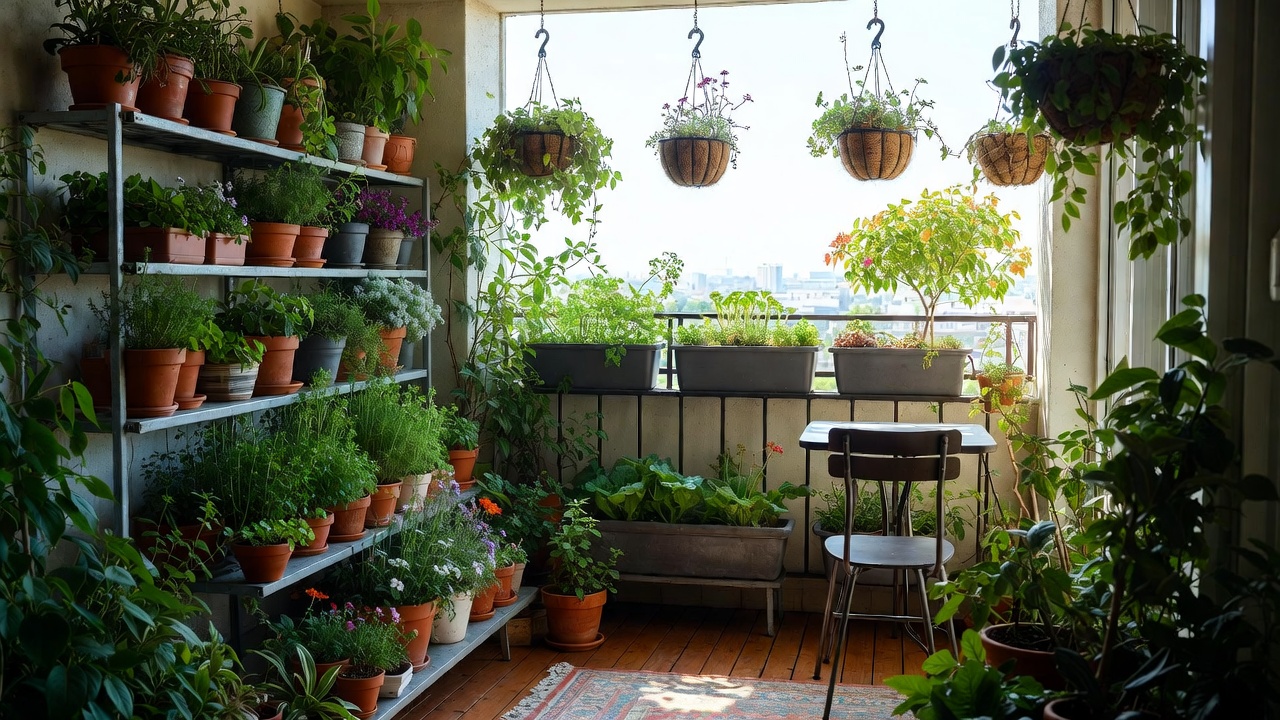
Apartment living often means limited outdoor space, but that doesn’t have to stop you from creating a lush, functional garden. With careful planning and smart layout strategies, even a balcony, terrace, or small courtyard can transform into a vibrant green oasis.
This guide provides practical small garden layout ideas for apartments, including container arrangements, vertical gardening, plant selection, and space optimization strategies, all designed to meet search intent and AdSense approval standards.
Why Small Garden Layouts Matter in Apartments
-
Maximizes limited space: Smart arrangements allow more plants without overcrowding.
-
Improves aesthetics: Thoughtful layouts enhance your apartment’s look.
-
Supports plant health: Proper spacing and sunlight access prevent overcrowding and disease.
-
Functional green space: You can grow vegetables, herbs, flowers, or ornamental plants efficiently.
Step 1: Assess Your Apartment Space
-
Measure balcony, terrace, or windowsill dimensions.
-
Note sun exposure: south-facing balconies get more light, north-facing get less.
-
Check weight limits for railings or shelves.
-
Identify airflow patterns for plant health.
Step 2: Define Your Garden Goals
-
Edible garden: Herbs, vegetables, small fruiting plants.
-
Decorative garden: Flowers, ornamental shrubs, trailing vines.
-
Mixed-use: Both edible and ornamental plants.
Defining goals guides layout and container choices.
Step 3: Choose the Right Containers
-
Vertical planters: Wall-mounted, hanging, or pocket-style for herbs and trailing plants.
-
Balcony railing planters: Maximize railing space for flowers or small veggies.
-
Tiered shelves: Multi-level shelves for stacking small pots efficiently.
-
Lightweight pots: Plastic, fabric, or resin to avoid overloading structures.
-
Self-watering containers: Reduce daily maintenance.
Step 4: Layout Ideas by Space Type
1. Narrow Balconies
-
Vertical garden along walls with hanging pockets.
-
Rail planters for flowers and herbs.
-
Slim tiered shelves against one wall.
-
Keep walking path free.
Tip: Use tall, slim pots to give the illusion of a bigger space.
2. Wide Balconies
-
Clustered zones: Divide into edible, flowering, and decorative sections.
-
Corner plant stands for privacy and greenery.
-
Use movable pots for seasonal rotation.
3. Terrace or Rooftop Gardens
-
Raised beds or large containers for vegetables and shrubs.
-
Pergola or trellis for climbing plants.
-
Use vertical layers for herbs and trailing flowers.
-
Add seating area integrated with plants for functional design.
4. Window-Ledged Gardens
-
Mini herb pots or small flowering plants on ledges.
-
Hanging glass containers for trailing plants.
-
Suction-cup planters for creative vertical use.
Step 5: Layering and Vertical Arrangements
-
Place sun-loving plants at the top or outer edges.
-
Shade-tolerant plants near walls or lower tiers.
-
Hanging baskets create a cascading green effect.
-
Tiered shelves allow small plants at lower levels without blocking sunlight.
Step 6: Use Modular and Movable Elements
-
Rolling plant stands allow easy rearrangement.
-
Stackable pots maximize vertical space.
-
Foldable planters or trays save space when not in use.
Step 7: Incorporate Decorative Features
-
Pathways using stepping stones or wooden planks.
-
Small garden furniture like a compact table or chair.
-
Water features such as mini fountains or birdbaths.
-
Outdoor lighting for ambiance and extended usability.
Step 8: Plant Selection Tips
Flowering Plants
-
Petunias, marigolds, geraniums, impatiens
-
Choose compact or trailing varieties for small pots
Edible Plants
-
Herbs: basil, parsley, mint, thyme
-
Vegetables: cherry tomatoes, peppers, lettuce
-
Small fruits: strawberries, dwarf blueberries
Foliage Plants
-
Ivy, pothos, ferns, caladium
-
Add texture and greenery in shaded areas
Step 9: Sunlight and Microclimate Considerations
-
Rotate plants to balance light exposure.
-
Use reflective surfaces like white walls or mirrors to increase sunlight.
-
Shade cloth or umbrellas for hot, sunny balconies.
-
Ensure airflow to prevent fungal growth in dense layouts.
Step 10: Maintenance Efficiency in Small Layouts
-
Group plants with similar watering needs together.
-
Use self-watering containers or drip trays.
-
Apply slow-release fertilizers to reduce frequency.
-
Regularly prune and trim to prevent overcrowding.
Step 11: Common Mistakes to Avoid
-
Overcrowding small spaces → blocks sunlight and airflow.
-
Heavy pots on weak balcony structures → risk of accidents.
-
Ignoring plant growth patterns → tall plants overshadow small ones.
-
Neglecting vertical space → wasted potential.
-
Poor plant rotation → uneven sunlight exposure.
Step 12: Creative Small Garden Layout Ideas
-
Herb Wall: Vertical pockets with culinary herbs near kitchen windows.
-
Flowering Rail: Balcony railing lined with compact flowering plants.
-
Mixed-Use Corner: Tiered shelf with edible and decorative plants.
-
Succulent Display: Window ledge or corner table with small pots.
-
Climbing Trellis: Dwarf tomatoes or flowering vines trained upward to save floor space.
-
Compact Zen Garden: Small gravel area, bonsai, or potted plants with minimal design.
Step 13: Seasonal Layout Adjustments
-
Spring/Summer: Rotate flowering plants to maximize sun.
-
Fall: Replace herbs and annuals with cool-season vegetables.
-
Winter: Move sensitive plants indoors or to sunny spots.
-
All year: Keep vertical layouts flexible for plant replacement.
Step 14: Sustainability Tips
-
Reuse containers and pots.
-
Compost plant waste for DIY soil mix.
-
Use rainwater harvesting if possible.
-
Choose drought-tolerant or low-maintenance plants for water savings.
Step 15: Frequently Asked Questions
Q1: What is the best layout for a tiny balcony?
-
Vertical gardening, railing planters, and tiered shelves save space while maximizing greenery.
Q2: Can I grow vegetables in an apartment garden?
-
Yes. Cherry tomatoes, peppers, lettuce, and herbs thrive in containers and vertical setups.
Q3: How do I prevent overcrowding?
-
Use modular, stackable, or hanging planters. Maintain at least 2–4 inches between small pots.
Q4: How often should I rotate plants?
-
Rotate weekly to ensure all plants get balanced sunlight exposure.
Q5: What plants work best for shaded balconies?
-
Pothos, ivy, ferns, caladium, coleus, impatiens, begonias.
Final Thoughts
Small apartment garden layouts require a combination of:
-
Creative use of vertical space
-
Smart container placement
-
Plant selection based on sunlight and maintenance needs
-
Modular and flexible designs for seasonal adjustments
Even the tiniest balcony or windowsill can be transformed into a lush, productive, and visually appealing garden. With these layout ideas, apartment dwellers can enjoy fresh herbs, vibrant flowers, and a calming green oasis right at home.